
How Pre-Sale Roofing Upgrades Can Save Your Poor-Condition Home From a Fire Sale
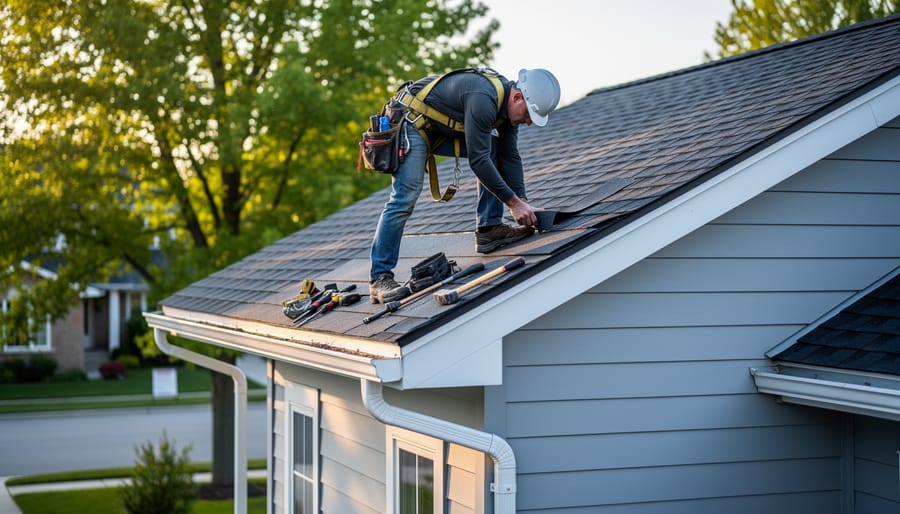
Selling property in poor condition often means accepting offers 20-30% below market value, but strategic roofing and exterior upgrades can reverse this trajectory. Focus investment on high-visibility improvements that Canadian buyers prioritize: replace damaged or outdated roofing materials with energy-efficient options that withstand harsh winters, address peeling paint and siding deterioration that signals neglect, and ensure eavestroughs and downspouts function properly to prevent water damage concerns during inspections.
Allocate renovation budgets based on return on investment rather than personal preference. Roofing replacements typically recover 85-95% of costs in resale value, while fresh exterior paint and modern siding deliver immediate curb appeal that attracts serious buyers. These targeted improvements transform first impressions without requiring complete property overhauls.
Timeline matters significantly in pre-sale scenarios. Most exterior projects require 2-4 weeks for completion, plus additional time for contractor selection and material sourcing. Canadian homeowners should begin planning improvements at least two months before listing to accommodate weather delays and permit requirements.
Working with qualified, insured contractors protects both investment value and legal liability. Verify insurance coverage specifically, as proper documentation becomes essential during negotiations when buyers request proof of professional installation. Strategic exterior renovation increases market value substantially while positioning properties competitively against move-in-ready alternatives, ultimately commanding offers that reflect true worth rather than distressed pricing.
The Real Cost of Selling a Home With a Failing Roof
Attempting to sell a home with a deteriorating roof creates significant financial challenges that extend far beyond the visible damage. When prospective buyers encounter obvious roofing problems during viewings, their immediate concern shifts from whether to purchase the property to how much compensation they’ll demand for necessary repairs.
Industry data consistently demonstrates that homes with failing roofs typically sell for 15-30% below comparable properties in good condition. This discount often exceeds the actual cost of roof replacement, as buyers factor in perceived risk, the inconvenience of managing renovations, and their reduced negotiating position with lenders. What might cost $12,000 to repair could translate into a $40,000 reduction in selling price.
The inspection process presents another critical obstacle. Professional home inspectors document every deficiency, and a compromised roof system becomes a focal point in their reports. Buyers leverage these findings to request substantial price reductions or credits, and many choose to walk away entirely rather than inherit roofing problems. In competitive markets where buyers have multiple options, properties with known defects often languish unsold.
Financing complications create additional barriers to completing transactions. Most mortgage lenders require homes to meet minimum property standards before approving loans. A roof nearing the end of its serviceable life, or one showing active leaks and structural concerns, frequently fails these assessments. Buyers relying on traditional financing may find their loan applications denied, effectively limiting the seller’s market to cash buyers who typically demand steeper discounts.
Insurance considerations further complicate matters. Prospective buyers discover that obtaining homeowner’s insurance for a property with a failing roof proves difficult and expensive. Many insurers refuse coverage outright or impose significant premiums and exclusions, creating deal-breaking obstacles during the closing process.
Communities across Canada have witnessed countless sales fall through due to deferred roofing maintenance. Sellers who address these concerns proactively position themselves advantageously, avoiding the compounding costs of extended market time, multiple price reductions, and ultimately accepting offers well below the property’s potential value.
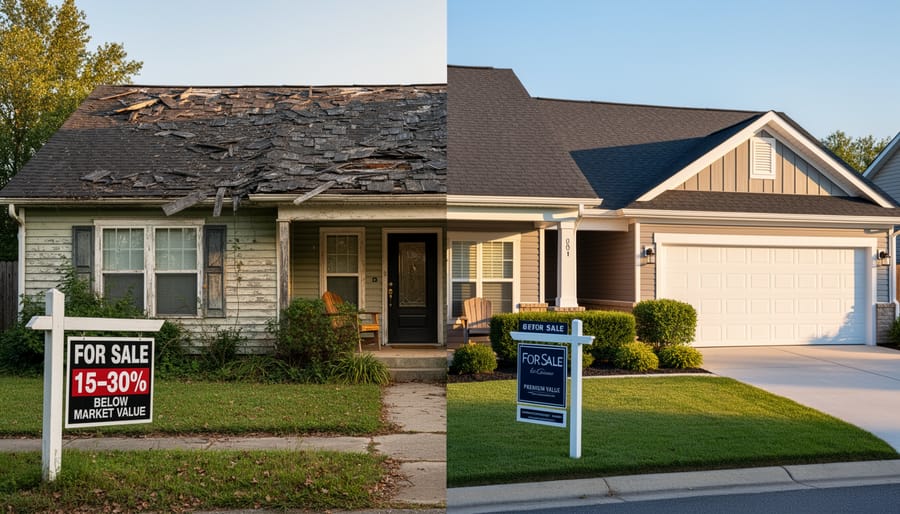
Which Pre-Sale Upgrades Actually Matter to Canadian Buyers
Roofing Repairs and Replacement
When deciding between repairs and replacement, the extent of damage plays a crucial role. Minor issues like loose shingles, damaged flashing, or small leaks are ideal candidates for roofing repairs. However, if the roof is beyond 75% of its expected lifespan or shows widespread deterioration, replacement becomes the smarter investment for increasing your house’s market value.
Canadian buyers place premium value on durable, energy-efficient roofing materials suited to harsh climates. Asphalt shingles remain the most popular choice due to their affordability and proven performance in extreme temperatures. Metal roofing has gained significant traction for its longevity (50+ years) and superior snow-shedding capabilities. Synthetic options like rubber or composite shingles appeal to environmentally conscious buyers seeking sustainability without compromising durability.
A new roof or transferable manufacturer certification eliminates a major negotiation obstacle. Buyers and their home inspectors often flag aging roofs as significant concerns, leading to price reductions or repair demands. By addressing this upfront, sellers demonstrate property care and remove uncertainty from the transaction. Many roofing contractors across Canada provide certification letters detailing material warranties and workmanship guarantees, offering buyers peace of mind and protecting sellers from post-inspection surprises. This proactive approach strengthens your negotiating position and can accelerate the sale process considerably.
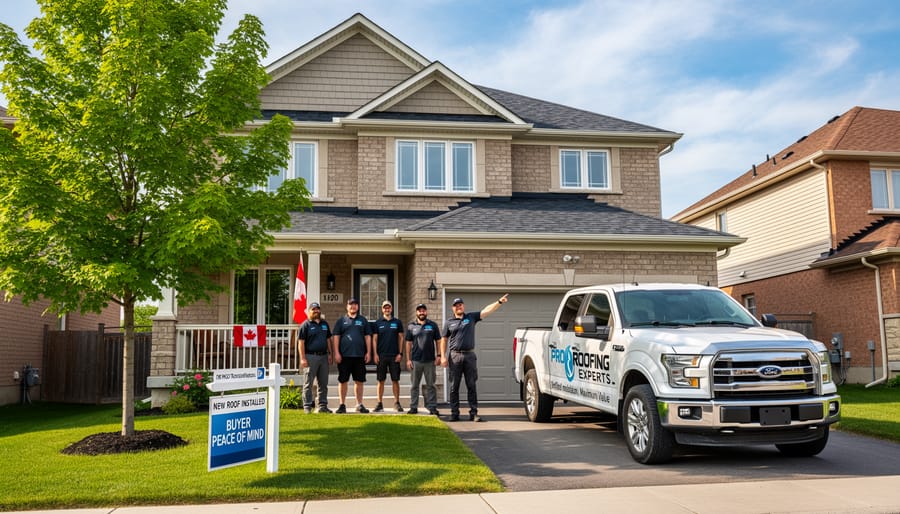
Siding Upgrades for Curb Appeal
Damaged, warped, or outdated siding significantly diminishes curb appeal and creates immediate concerns for potential buyers about underlying maintenance issues. Cracked vinyl siding, faded wood panels, or visible water damage signal neglect and often lead to lower offers or extended time on the market. Canadian homeowners should recognize that siding serves as the exterior’s protective layer against harsh weather conditions, making its condition particularly important to discerning buyers.
Cost-effective siding solutions exist for various budgets. Partial siding replacement targeting highly visible front-facing walls delivers substantial aesthetic improvement without complete re-siding costs. Modern vinyl siding options provide durability and low maintenance at reasonable price points, while fiber cement siding offers premium appeal and exceptional longevity. Many Canadian contractors understand the pre-sale market and can recommend strategic upgrades that maximize return on investment.
Fresh, well-maintained siding transforms a property’s street presence, generating more showings and competitive offers. Consistent colour, clean lines, and quality materials reassure buyers that the home has been properly cared for. When combined with complementary trim work and updated exterior accents, new siding creates a cohesive, attractive appearance that positions the property favourably against comparable listings in competitive Canadian markets.
Window and Insulation Improvements
In Canada’s climate, energy efficiency stands as one of the most compelling selling points for potential buyers concerned about rising heating costs. Upgraded windows and modern insulation standards directly address these concerns while demonstrating responsible homeownership. Buyers recognize that older, drafty windows represent an immediate expense they’ll need to address post-purchase, often viewing properties with outdated windows as requiring additional investment beyond the purchase price.
Modern, energy-efficient windows provide multiple benefits that resonate with today’s buyers. They reduce heat loss during harsh winters, minimize condensation issues that can lead to mold growth, and often qualify for government energy rebates. When combined with updated insulation that meets or exceeds current building codes, these improvements create a tangible value proposition that justifies a higher asking price.
Insurance companies also view properly insulated homes with quality windows more favorably, which can translate to lower premiums for new owners. This practical advantage, combined with the appeal of reduced monthly utility costs, makes window and insulation upgrades particularly attractive in Canadian markets where winter heating represents a significant household expense. These improvements signal to buyers that the home has been maintained with long-term performance in mind, reducing negotiation leverage around deferred maintenance concerns.
Gutters, Fascia, and Finishing Touches
Prospective buyers notice the details that reveal how well a property has been maintained. Gutters and fascia are critical indicators that shouldn’t be overlooked during pre-sale preparations. Damaged or sagging eavestroughs suggest deferred maintenance and can raise concerns about water damage or foundation issues. Clean, properly functioning gutters demonstrate responsible homeownership and protect the property’s structural integrity. If eavestroughs show signs of rust, separation, or improper drainage, consider professional eavestrough replacement to enhance curb appeal. Fascia boards frame the roofline and should be free from rot or peeling paint. Fresh paint or replacement fascia creates a polished appearance that complements roof upgrades. These finishing touches complete the exterior transformation, signaling to buyers that the entire property has received proper care and attention, ultimately supporting a stronger sale price in competitive Canadian markets.
Smart Budgeting: Investing Without Overspending
Determining the right investment level for pre-sale upgrades requires careful analysis of the property’s condition, local market standards, and available budget. Homeowners should begin by obtaining a professional home inspection to identify critical issues that could derail potential sales. This assessment provides clarity on which improvements are essential versus those that merely enhance appeal.
When seeking strategic investment advice, prioritize repairs that prevent deal-breakers. Roof damage, deteriorated siding, and drainage problems consistently raise red flags during buyer inspections. Addressing these foundational issues often returns 100% or more of the investment, particularly in Canadian markets where weatherproofing is non-negotiable. A compromised roof typically triggers immediate price reductions that far exceed repair costs.
For homes with multiple exterior concerns, phasing the work can make projects more manageable financially. Start with structural necessities like roof repairs or replacement, followed by items affecting curb appeal such as siding updates or paint. This approach allows homeowners to monitor spending while ensuring critical improvements receive attention first.
Obtaining multiple quotes from reputable contractors provides valuable perspective on fair pricing. Request detailed breakdowns that itemize materials, labour, and timelines. Canadian homeowners should verify contractors carry proper liability insurance and WSIB coverage, protecting against potential claims during the renovation process. This insurance expertise becomes particularly important when coordinating multiple trades on tight pre-sale schedules.
Understanding which improvements offer maximum return guides smarter allocation of limited resources. While premium materials might appeal personally, mid-range options often satisfy buyer expectations without diminishing sale prices. For example, quality architectural shingles perform similarly to luxury alternatives in most market segments, yet cost significantly less.
Budget constraints sometimes necessitate tough choices. When funds limit comprehensive upgrades, focus investments on items buyers will immediately notice or that inspection reports will highlight. A deteriorating roof cannot hide, whereas interior cosmetic updates might compensate for dated exterior paint in certain price ranges.
Community-oriented contractors familiar with regional market expectations provide valuable guidance on local buyer preferences. Their experience helps homeowners avoid over-improving for the neighbourhood while ensuring properties meet competitive standards. This localized knowledge proves especially beneficial when balancing investment levels against realistic sale price increases.
Navigating Insurance Claims for Pre-Existing Damage
Many Canadian homeowners overlook a valuable opportunity when preparing their property for sale: legitimate insurance claims for pre-existing storm damage, ice damming, or hail impact. Understanding how to navigate the insurance claims process can help fund essential repairs without depleting savings earmarked for moving expenses.
Insurance coverage typically applies to sudden, accidental damage rather than wear and tear. Recent windstorms, severe hail events, or ice damming that caused water infiltration often qualify for coverage. The key lies in proper documentation and timely reporting. Homeowners should photograph all visible damage immediately after discovering it, noting dates and weather conditions. Many insurance policies have time limits for filing claims, making prompt action essential.
Working with contractors experienced in insurance restoration provides significant advantages. These professionals understand insurance company requirements, documentation standards, and common coverage limitations. They can identify all damage related to a covered event, ensuring nothing gets overlooked during the initial assessment. Insurance-savvy contractors also communicate directly with adjusters, speaking the technical language that facilitates smoother claim approvals.
The claims process typically begins with reporting the incident to the insurance provider. An adjuster will inspect the property, assess damage extent, and determine coverage eligibility. Homeowners should be present during this inspection, accompanied by their contractor when possible. This collaboration ensures all damage gets documented and properly evaluated according to current building codes and industry standards.
Documentation requirements extend beyond photographs. Maintain records of previous maintenance, repair receipts, and correspondence with the insurance company. This paper trail demonstrates responsible homeownership and supports the legitimacy of claims. For roof-related claims specifically, contractors may need to provide detailed reports including material specifications, replacement costs, and evidence that damage resulted from a covered peril rather than normal aging.
Quality repairs remain paramount even when insurance funds the work. Choose contractors who prioritize workmanship over cutting corners to maximize insurance payouts. Properly executed insurance repairs not only restore property value but also provide documentation that reassures potential buyers about the home’s condition and recent maintenance history.
Timeline Considerations: How Long Before You List
Planning adequate time for roofing and exterior upgrades is essential to maximize return on investment and avoid listing delays. In Canada, weather patterns significantly impact project timelines, making advance planning particularly important for homeowners preparing to sell.
For roofing projects, expect a minimum of 4-6 weeks from initial consultation to completion during peak season. This includes time for inspection, estimate approval, material ordering, and installation. However, during spring and summer months when demand peaks, contractor availability may extend this timeline to 8-12 weeks. Canadian winters present additional challenges, as temperatures below -10°C can affect material performance and installation quality. Ideally, schedule roofing work between May and October for optimal conditions and faster completion.
Exterior upgrades like siding replacement, window installation, or painting require similar advance planning. Factor in 6-8 weeks for comprehensive exterior renovations, accounting for material lead times which have increased due to supply chain considerations affecting Canadian markets. Premium materials or custom orders may require additional waiting periods.
Material availability varies by region and season. Working with established local contractors often provides better access to suppliers and reduces delays. These professionals understand regional weather patterns and can recommend realistic timelines based on current market conditions.
For optimal results, begin planning exterior upgrades at least three months before your intended listing date. This buffer accommodates unexpected weather delays, permits if required, and allows time for quality workmanship. Consult with real estate professionals about seasonal market trends in your area, as listing timing affects buyer traffic and sale prices in many Canadian communities.
Working With Contractors Who Understand Pre-Sale Priorities
Selecting the right contractor for pre-sale renovations requires a different approach than traditional home improvements. Homeowners preparing to sell need renovation partners who understand that these projects aren’t about personal preferences—they’re strategic investments designed to maximize property value while managing costs carefully.
The ideal pre-sale contractor brings experience in identifying which improvements deliver the strongest return on investment. They understand that a complete roof replacement might be necessary, while other cosmetic updates can be more modest. This balanced perspective helps sellers avoid both under-investing (leaving money on the table) and over-improving (spending more than the market will reward).
Timeline management becomes particularly critical in pre-sale scenarios. Properties often need to list quickly to capitalize on market conditions or meet financial deadlines. Contractors familiar with pre-sale work prioritize efficient scheduling and reliable completion dates, understanding that delays directly impact selling plans.
Documentation represents another essential element. Established contractors provide detailed invoices, building permits where required, and manufacturer warranties that transfer to new owners. These documents become powerful selling tools, offering buyers peace of mind and justifying asking prices. Transferable warranties on roofing and exterior work particularly appeal to purchasers, as they demonstrate quality workmanship and provide protection against defects.
Community-involved companies often bring additional credibility to the transaction. Their local reputation and established track record provide reassurance to both sellers and potential buyers. Furthermore, contractors experienced in insurance claims work understand proper installation standards and documentation requirements, ensuring all improvements meet or exceed industry standards.
When interviewing potential contractors, sellers should specifically ask about their experience with pre-sale projects, request references from clients who successfully sold following renovations, and verify licensing and insurance coverage. This due diligence protects the investment and ensures improvements genuinely enhance marketability.
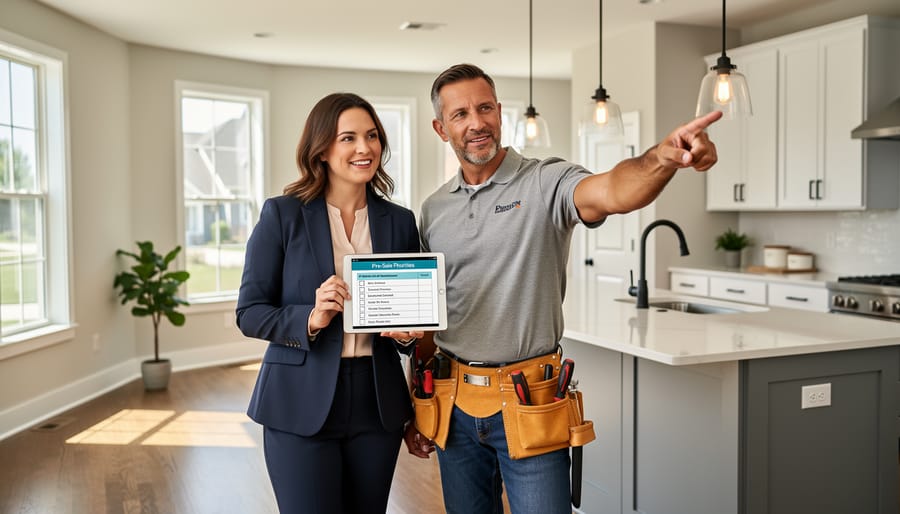
For homeowners facing the challenge of selling a house in poor condition, strategic pre-sale roofing and exterior upgrades represent a powerful alternative to accepting reduced offers or lengthy market times. The financial logic is compelling: targeted improvements in key areas like roofing, siding, windows, and doors consistently deliver strong returns on investment while significantly enhancing property marketability. Quality upgrades address buyer concerns before they become negotiating obstacles, positioning the home competitively within the Canadian real estate market.
Rather than accepting as-is offers that often fall substantially below fair market value, homeowners who invest in professional exterior improvements typically recover their costs while achieving higher final sale prices. The difference between a home with visible exterior deficiencies and one with updated, well-maintained features can translate to tens of thousands of dollars in selling price.
Before making any decisions, homeowners are strongly encouraged to seek professional assessments from qualified roofing and exterior specialists. These evaluations provide clarity on which improvements will deliver maximum impact within available budgets and timelines. Working with experienced contractors who understand insurance claims processes and local building requirements ensures projects are completed efficiently and to proper standards. With the right guidance and strategic investment, transforming a difficult-to-sell property into a market-ready home becomes an achievable goal that protects homeowner equity while expediting successful sales.