
How THCP Home Ventilation Upgrades Can Cut Your Energy Bills and Protect Your Roof
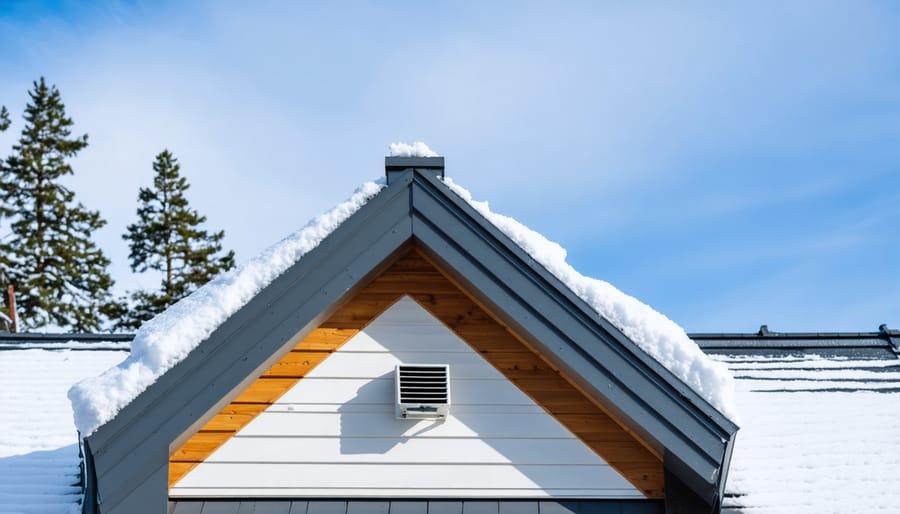
Canadian homeowners lose thousands annually to preventable ventilation failures—ice dams tearing through eavestroughs, attic moisture rotting structural wood, and heating systems working overtime against poor airflow. Traditional ventilation systems often fail under Canada’s extreme temperature swings, creating costly damage that insurance claims only partially cover. THCP products represent a significant advancement in home ventilation technology, specifically engineered to withstand harsh Canadian climates while dramatically reducing energy consumption.
THCP (Thermal High-Performance Circulation) ventilation systems address the root causes of ventilation failure through enhanced airflow dynamics, superior moisture management, and adaptive temperature regulation. Unlike standard ridge vents or soffit systems that simply allow passive air movement, THCP upgrades create controlled circulation patterns that prevent condensation buildup, eliminate hot spots, and maintain consistent attic temperatures year-round.
The investment in THCP ventilation upgrades typically recovers costs within 3-5 years through reduced heating bills, prevented structural repairs, and extended roof lifespan. For homeowners facing recurring ice dam damage or excessive energy costs, understanding how THCP technology works and evaluating upgrade options becomes essential for long-term home protection. This comprehensive guide explains the science behind THCP ventilation, identifies when upgrades deliver maximum value, and outlines the installation process to help Canadian homeowners make informed decisions about protecting their most significant investment.
What Are THCP Ventilation Products?
Key Components of THCP Ventilation Systems
A properly functioning THCP ventilation system relies on several interconnected components working in harmony to maintain optimal airflow throughout your home. Understanding these elements helps homeowners appreciate the sophistication of modern ventilation technology.
**Intake vents** form the foundation of the system, typically installed in soffit areas under roof eaves. These vents draw fresh, cool air into the attic space, creating the initial airflow pattern. In THCP systems, intake vents feature enhanced filtration and airflow optimization that standard vents cannot provide.
**Exhaust vents** work opposite to intake vents, releasing hot, moist air from the attic. These strategically positioned outlets prevent heat buildup and moisture accumulation that can damage roofing materials and increase energy costs.
**Ridge vents** run along the peak of the roof, providing continuous ventilation across the entire roofline. THCP ridge vents incorporate advanced weather-resistant technology, crucial for Canadian climates where snow and ice pose persistent challenges.
**Soffit vents** complement intake systems by ensuring consistent air entry points around the home’s perimeter. Proper soffit ventilation prevents dead air zones that compromise system effectiveness.
**Attic fans** actively boost air circulation when passive ventilation proves insufficient. THCP systems integrate smart fan technology that responds to temperature and humidity levels automatically.
Together, these components create a balanced ventilation ecosystem. Cool air enters through soffit and intake vents, rises as it warms, and exits through ridge vents and exhaust points—a continuous cycle that protects structural integrity while reducing energy consumption.

How THCP Systems Handle Canadian Weather Extremes
Canadian weather presents unique ventilation challenges that THCP systems are specifically engineered to address. During harsh winters, when temperatures plummet to -30°C or below, maintaining proper airflow without sacrificing precious heat becomes critical. Traditional ventilation systems can create significant heat loss, driving up energy costs while leaving homes vulnerable to ice dam formation and frozen condensation.
THCP (Thermal High-Performance Composite) ventilation products incorporate advanced insulation technology that allows continuous air circulation while minimizing thermal transfer. The system’s design features a thermal break barrier that prevents cold air infiltration during winter months, ensuring that expelled warm air doesn’t create massive energy waste. This balanced approach maintains the necessary air exchanges per hour required by building codes without compromising your home’s heating efficiency.
Summer months bring their own concerns, particularly in regions experiencing high humidity. THCP systems facilitate moisture expulsion from attic spaces and living areas, preventing the condensation buildup that leads to mold growth, wood rot, and structural deterioration. The products’ weather-resistant construction withstands extreme temperature fluctuations—from summer heat exceeding 35°C to winter deep freezes—without warping, cracking, or losing effectiveness.
For Canadian homeowners dealing with weather-related damage, proper ventilation documentation often supports insurance claims for issues like ice dam damage or moisture-related structural problems. Communities across Canada have experienced how inadequate ventilation compounds weather challenges, making properly designed THCP systems an investment in both comfort and long-term home protection.
Signs Your Home Needs a Ventilation Upgrade
Winter Warning Signs
Canadian winters reveal hidden ventilation problems that often go unnoticed during warmer months. Ice dams forming along roof edges indicate warm air escaping through inadequate attic ventilation, melting snow that refreezes at the eaves. These ice formations can cause significant structural damage and often lead to insurance claims when water backs up under shingles.
Long icicles hanging from gutters and eaves signal similar heat loss issues, showing that the attic space isn’t properly regulating temperature. Homeowners should also inspect their attics for frost accumulation on the underside of roof sheathing—a clear indicator that warm, moist air is condensing in spaces that should remain cold and dry.
Uneven snow melting patterns on the roof provide another visual clue. If certain sections consistently clear faster than others, heat is escaping through those areas due to poor insulation or ventilation. Inside the home, persistent condensation on windows, especially in upper floors, suggests excess moisture that proper ventilation systems should be managing. These warning signs point to ventilation deficiencies that THCP upgrades can effectively address, preventing costly damage while improving energy efficiency throughout the heating season.

Year-Round Red Flags
Poor ventilation manifests through several persistent warning signs that homeowners should never ignore. Mold or mildew growth, particularly in attics, bathrooms, and corners of rooms, indicates excessive moisture accumulation that proper ventilation should prevent. Musty odors that linger despite cleaning efforts signal trapped humidity and poor air circulation throughout the home.
Exterior signs are equally telling. Premature deterioration of roof shingles, often appearing as curling, cracking, or loss of granules, frequently results from heat and moisture buildup in poorly ventilated attic spaces. Peeling paint on exterior walls or soffits reveals moisture escaping through building materials rather than being properly expelled through ventilation systems.
Financial indicators shouldn’t be overlooked either. Unexpectedly high energy bills often reflect HVAC systems working overtime to compensate for inadequate ventilation. Uncomfortable temperature variations between rooms—where one bedroom feels like a sauna while another remains chilly—demonstrate compromised air circulation that ventilation upgrades can resolve. Addressing these red flags promptly protects both the home’s structural integrity and the family’s health, while potentially supporting insurance claims for moisture-related damage.
The Energy Efficiency Benefits of THCP Ventilation Upgrades
Reducing Heat Loss in Winter
Canadian winters demand efficient heating systems, but traditional exhaust-only ventilation can work against homeowners by pulling heated air outdoors. THCP balanced ventilation systems address this challenge through heat recovery ventilators (HRVs) that capture warmth from outgoing stale air and transfer it to incoming fresh air. This intelligent exchange process maintains indoor air quality while preserving up to 95% of heating energy that would otherwise escape.
The balanced approach prevents the negative pressure issues common with older ventilation methods, which can draw cold air through wall cavities and around windows. By equalizing air pressure, these systems work harmoniously with existing home insulation to create a complete thermal envelope. This coordinated effort significantly reduces the workload on furnaces and boilers, translating to lower energy bills throughout winter months.
Additionally, THCP ventilation systems actively remove excess moisture generated by daily activities like cooking and showering. This moisture control prevents condensation buildup that can compromise insulation effectiveness and create ice dam conditions on roofs—a common insurance claim issue across Canadian communities during harsh winter seasons.
Lowering Cooling Costs in Summer
During Canada’s warmest months, inadequate attic ventilation creates a thermal trap that forces air conditioning systems to work overtime. Traditional ventilation systems often fail to expel the superheated air that accumulates in roof spaces, where temperatures can exceed 65°C on sunny summer days. This heat radiates downward through ceilings, making upper floors uncomfortably warm and driving up cooling costs significantly.
THCP (Thermal Convection and Pressure-balanced) ventilation systems address this challenge through strategically engineered airflow patterns. By maximizing the natural stack effect—where hot air rises and exits through ridge vents while cooler air enters through soffit vents—these upgraded systems continuously flush heated air from attic spaces before it penetrates living areas. The result is a more consistent temperature throughout the home, with upper floors remaining noticeably cooler without additional air conditioning use.
Homeowners typically observe a 15-25% reduction in summer cooling costs after THCP upgrades, as air conditioning units cycle less frequently and operate more efficiently. The system’s balanced pressure design also prevents the infiltration of humid outdoor air, maintaining indoor comfort levels while protecting insulation effectiveness. For Canadian households managing rising energy expenses, this improvement delivers measurable financial relief season after season.
How THCP Ventilation Protects Your Roof and Home Structure
Preventing Ice Dam Damage
Ice dams occur when heat escapes through poorly ventilated attics, warming the roof surface unevenly. Snow on the warmer upper portions melts and flows downward, refreezing at the colder eaves to create dangerous ice barriers. This trapped water backs up under shingles, leading to significant ice dam damage including rotted decking, interior water stains, and compromised insulation.
THCP (Thermostatically Controlled Heat Panel) ventilation systems address this costly issue by maintaining consistent roof temperatures throughout winter months. The system ensures continuous airflow beneath the roof deck, preventing heat pockets that trigger the freeze-thaw cycle. By equalizing temperatures from ridge to eave, THCP technology eliminates the conditions necessary for ice dam formation.
For Canadian homeowners, this protection translates into substantial savings. Ice dam repairs often involve extensive structural work and interior restoration, with many claims exceeding several thousand dollars. THCP ventilation provides year-round prevention, protecting both the roof structure and the home’s interior while reducing winter energy costs through improved thermal regulation.
Extending Roof Lifespan
Proper home ventilation plays a critical role in extending roof lifespan by minimizing thermal stress on roofing materials. When attic spaces lack adequate ventilation, heat accumulates during summer months, causing shingles to deteriorate prematurely through continuous expansion and contraction cycles. This thermal cycling weakens the protective granules on asphalt shingles and compromises their structural integrity.
THCP ventilation upgrades establish balanced airflow that maintains consistent attic temperatures year-round, reducing the strain on roofing materials. During winter, proper ventilation prevents ice dam formation by keeping roof surfaces uniformly cold, eliminating the freeze-thaw cycles that damage shingles and flashings. Studies indicate that well-ventilated roofs can last 15-25% longer than poorly ventilated ones, potentially adding five to ten years of service life.
By preventing premature roof aging, these ventilation improvements delay costly replacement expenses and increase your home’s value. Canadian homeowners particularly benefit from this protection, as harsh weather conditions accelerate roof deterioration. Investing in quality ventilation today protects your roofing investment and reduces long-term maintenance costs substantially.
The THCP Ventilation Upgrade Process
Professional Assessment and Planning
A thorough professional assessment forms the foundation of any effective THCP ventilation upgrade. Qualified contractors begin by conducting a comprehensive evaluation of the existing ventilation system, measuring current airflow rates and examining attic conditions for signs of moisture accumulation, inadequate ventilation, or temperature imbalances. This inspection identifies problem areas such as blocked soffit vents, insufficient exhaust points, or improperly balanced intake and exhaust ratios.
Using industry-standard calculations based on attic square footage and roof pitch, contractors determine the precise airflow requirements needed to meet building codes and optimize energy efficiency. They assess the home’s unique characteristics, including insulation levels, roof design, and local climate considerations specific to Canadian weather patterns.
The evaluation process also reviews any previous weather-related damage that may have resulted from poor ventilation, which can be valuable when working with insurance claims. Based on these findings, contractors design a customized THCP solution that addresses the home’s specific needs, ensuring proper placement of intake and exhaust vents while maximizing the performance benefits of THCP technology. This personalized approach guarantees optimal ventilation performance and long-term protection for the home.

Installation and Integration
Professional installation of THCP ventilation upgrades typically takes one to three days, depending on the scope of work and existing roof configuration. The process begins with a comprehensive assessment of the current ventilation system, including attic airflow patterns and insulation conditions. Certified installers then strategically position THCP ridge vents, soffit vents, or attic fans to optimize air circulation throughout the home.
THCP products are designed to integrate seamlessly with most existing roofing systems, whether asphalt shingle, metal, or tile. Installers carefully match components to the roof’s aesthetics while ensuring proper sealing to maintain weather protection. Minimal disruption occurs during installation, with most work conducted from the exterior and attic spaces.
Homeowners should expect an initial consultation where technicians explain placement recommendations and address specific concerns like moisture problems or energy inefficiency. The installation team protects landscaping and interior spaces throughout the process. For properties with ventilation-related damage, the company’s insurance claims expertise helps navigate documentation requirements, potentially reducing out-of-pocket expenses. Post-installation, homeowners receive guidance on maintenance and performance monitoring to maximize long-term benefits.
Insurance Claims and THCP Ventilation Upgrades
Inadequate ventilation can significantly impact insurance claims related to ice dams, moisture damage, and mold growth. When winter weather causes ice dam formation, insurance adjusters often investigate whether proper attic ventilation was maintained. If insufficient ventilation contributed to the damage, claims may be partially denied or reduced. Similarly, moisture-related claims for rot, mold, or structural deterioration frequently involve assessments of the home’s ventilation system, as inadequate airflow creates conditions that insurers may classify as preventable maintenance issues.
THCP ventilation upgrades serve as valuable preventative measures that insurance companies recognize and appreciate. Proper documentation of ventilation improvements, including installation dates, product specifications, and contractor certifications, strengthens future claims by demonstrating proactive home maintenance. Homeowners should retain all invoices, warranty information, and before-and-after photos of ventilation work. This documentation proves that reasonable steps were taken to prevent damage, which can expedite claims processing and improve settlement outcomes.
Many insurance providers offer premium reductions for homes with upgraded ventilation systems, particularly those addressing known risk factors like ice dam formation in Canadian climates. When filing claims for weather-related damage, evidence of recent THCP ventilation upgrades demonstrates responsible homeownership and can differentiate between covered perils and maintenance neglect. Consulting with both roofing professionals and insurance representatives before undertaking ventilation projects ensures that upgrades meet industry standards and satisfy policy requirements, protecting both the home’s structural integrity and the homeowner’s financial interests.
Choosing the Right THCP Products for Your Home
Selecting the appropriate THCP ventilation components requires careful consideration of several factors unique to each home. The size and configuration of the property directly influence the number and placement of ventilation units needed to achieve balanced airflow. A 1,500-square-foot bungalow will have vastly different requirements than a 3,000-square-foot two-storey home with complex roofline features.
Roof type plays a critical role in determining compatible THCP products. Homes with steep-pitched roofs, flat roofs, or those featuring multiple roof planes each present distinct installation considerations. The existing roofing material—whether asphalt shingles, metal, or another surface—also affects product selection and integration methods.
Canada’s diverse climate zones necessitate tailored ventilation solutions. Homeowners in coastal British Columbia face different humidity and temperature challenges compared to those in the Prairies or Atlantic provinces. THCP systems designed for extreme cold-weather performance in Northern Ontario may include enhanced insulation features that differ from units optimized for milder regions. Understanding the local climate zone ensures the selected products can withstand seasonal temperature fluctuations and precipitation patterns specific to the area.
Assessing existing ventilation infrastructure is essential before upgrading. Homes with outdated or inadequate soffit vents, insufficient attic space, or improperly sealed areas may require complementary improvements alongside THCP installation to maximize system effectiveness.
Professional consultation remains paramount for achieving optimal results. Certified roofing and ventilation specialists can conduct comprehensive home assessments, calculate precise ventilation requirements based on building codes, and recommend products that integrate seamlessly with the existing structure. These experts understand regional building regulations and can identify potential issues that homeowners might overlook. Community-focused professionals also provide valuable insights into solutions that have proven effective for similar homes in the neighbourhood, ensuring recommendations are both practical and proven.
Investing in THCP home ventilation upgrades delivers measurable returns that extend far beyond immediate comfort improvements. Canadian homeowners who prioritize proper ventilation protect their properties from costly structural damage caused by moisture accumulation, ice dams, and premature material deterioration. The energy savings achieved through optimized airflow and reduced heating demands typically offset the initial investment within several years, while simultaneously increasing property value alongside other exterior renovations.
Beyond financial considerations, these upgrades create healthier indoor environments by managing humidity levels and preventing mold growth—essential factors for Canadian homes facing extreme seasonal temperature variations. The enhanced comfort, lower utility bills, and extended roof lifespan make THCP ventilation systems a strategic investment in long-term home performance.
Homeowners concerned about ventilation adequacy should schedule professional assessments with qualified contractors experienced in Canadian building requirements. These experts can evaluate current systems, identify deficiencies, and recommend targeted solutions tailored to specific property needs. Supporting local communities through informed home improvement decisions ensures Canadian families protect their most valuable investments while contributing to neighborhood resilience against challenging weather conditions.