
Why THCP Processing Facilities Need Specialized Roofing and Insulation
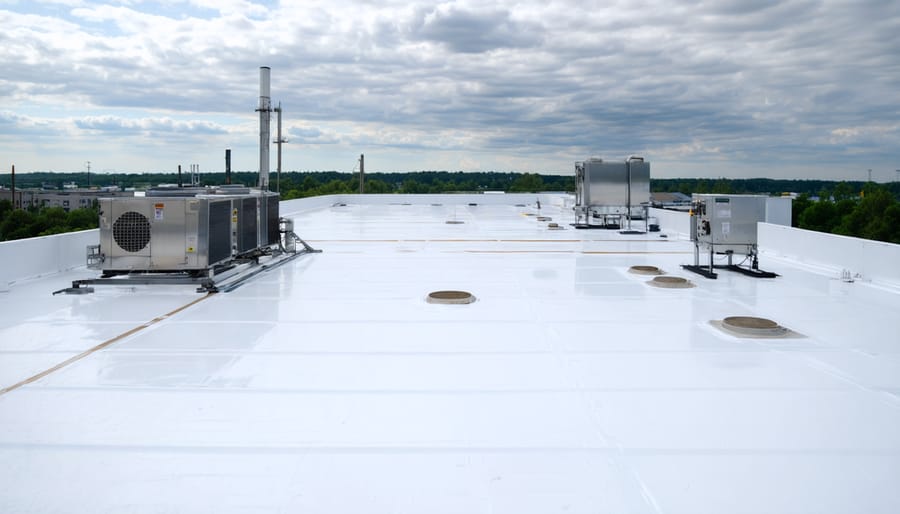
Prioritize climate control integration when designing your THCP processing facility’s roofing system—these specialized buildings demand precise temperature and humidity management to maintain product integrity during THCP products extraction and processing. Unlike conventional commercial structures, cannabis processing facilities operate as controlled environments where roofing and insulation choices directly impact operational efficiency, regulatory compliance, and bottom-line costs.
Select roofing materials with superior thermal performance ratings (minimum R-60 insulation values) to minimize energy consumption from HVAC systems running 24/7. Install vapor barriers and reflective roofing membranes that prevent condensation buildup—a critical consideration since moisture intrusion compromises both structural integrity and the sterile processing environment required for cannabis products.
Incorporate odor management features directly into the roofing assembly, including sealed penetrations for ventilation systems and negative air pressure capabilities that satisfy municipal regulations. Many Canadian jurisdictions mandate specific air exchange rates and containment protocols that begin with proper building envelope design.
Address fire safety requirements through non-combustible roofing materials rated for hazardous occupancies, as processing facilities often handle flammable solvents and extraction equipment. Insurance providers frequently require enhanced fire protection measures that exceed standard commercial building codes.
Budget for specialized contractors experienced in cleanroom-adjacent environments rather than standard commercial roofers. The unique demands of THCP facilities—from equipment vibration isolation to chemical resistance—require expertise beyond traditional roofing applications. Investing in proper design and installation prevents costly operational disruptions, failed inspections, and insurance claim complications that plague inadequately planned facilities. The roofing system serves as your facility’s primary defense against environmental variables that threaten product quality and regulatory standing.
Understanding THCP Processing Facilities and Their Unique Requirements

What Makes THCP Facilities Different
THCP processing facilities operate under stringent environmental and security standards that distinguish them from conventional commercial buildings. Understanding these unique requirements is essential when planning roofing and insulation systems that support compliant, efficient operations.
**Temperature and Humidity Control**
Processing facilities must maintain precise climate conditions throughout the year. Most operations require consistent temperatures between 15-22°C (59-72°F) with relative humidity levels maintained at 45-55%. This tight control prevents product degradation and ensures quality standards. The building envelope—including the roof and insulation—plays a critical role in maintaining these conditions while minimizing energy consumption. Inadequate insulation forces HVAC systems to work harder, increasing operational costs significantly.
**Odor Containment**
Cannabis processing generates distinctive odors that must be contained to satisfy regulatory requirements and maintain good community relations. While primary odor control happens through ventilation systems with carbon filtration, the building’s roofing and insulation contribute by creating an airtight envelope. Gaps or insufficient sealing can allow odors to escape, potentially leading to compliance issues and neighbor complaints.
**Security Considerations**
Security requirements mandate controlled access points and monitoring capabilities. Roofing systems must incorporate features that prevent unauthorized entry while supporting necessary equipment like surveillance cameras and environmental sensors. The structural integrity of the roof becomes paramount—any weakness could compromise facility security.
**Energy Efficiency Demands**
With facilities operating 24/7 under controlled conditions, energy efficiency directly impacts profitability. High-performance insulation reduces heating and cooling costs while supporting environmental sustainability goals increasingly valued by the community and regulatory bodies.
Canadian Regulations and Building Standards
THCP processing facilities in Canada must comply with stringent regulations that directly influence roofing and insulation specifications. Health Canada’s Cannabis Regulations mandate specific environmental controls for processing areas, including temperature stability, humidity management, and contamination prevention—all factors significantly impacted by proper insulation and roofing system selection.
Municipal building codes across Canadian provinces enforce fire safety standards particularly relevant to industrial facilities handling combustible materials. Roofing materials must meet fire resistance ratings, typically requiring Class A or Class C fire-rated systems depending on the facility’s classification. These requirements often necessitate metal roofing or modified bitumen systems with fire-retardant properties.
Energy efficiency standards outlined in the National Building Code of Canada influence insulation R-values, with processing facilities requiring higher thermal performance to maintain consistent interior conditions while managing operational costs. Many provinces have adopted additional energy codes requiring vapor barriers and air sealing strategies to prevent moisture infiltration—critical for cannabis processing where humidity control is paramount.
Industry best practices recommend exceeding minimum code requirements to account for the unique demands of THCP extraction processes, which generate heat and require year-round climate stability. Working with experienced commercial roofing contractors familiar with these specialized standards ensures compliance while optimizing long-term facility performance and protecting significant capital investments in processing equipment.
Critical Roofing Considerations for THCP Processing Buildings
Roofing Materials That Meet Industry Standards
Selecting appropriate roofing materials for THCP processing facilities requires careful consideration of performance, longevity, and compliance with Canadian building codes. Three primary options stand out for their proven track record in commercial cannabis operations.
**TPO (Thermoplastic Polyolefin)** membranes have become increasingly popular for THCP facilities due to their superior energy efficiency and reflective properties. These single-ply roofing systems help reduce cooling costs—a critical factor when maintaining precise temperature controls for cannabis processing. TPO membranes typically last 20-30 years with proper maintenance and offer excellent resistance to punctures, tears, and chemical exposure from facility operations.
**EPDM (Ethylene Propylene Diene Monomer)** rubber roofing provides outstanding durability in Canada’s harsh climate conditions. This flexible membrane withstands extreme temperature fluctuations and UV exposure while maintaining waterproofing integrity. EPDM requires minimal maintenance and performs exceptionally well in facilities with significant HVAC equipment on the roof—a common scenario in THCP operations requiring extensive ventilation systems.
**Metal roofing systems** deliver unmatched longevity, often lasting 40-50 years or more. Standing seam metal roofs excel at shedding snow and ice, reducing structural load concerns during Canadian winters. They accommodate rooftop equipment installations easily and provide excellent fire resistance—an important consideration for facilities managing insurance requirements and compliance standards.
Each material offers distinct advantages for extending roof lifespan through different mechanisms. TPO delivers energy savings, EPDM provides weather resilience, and metal roofing offers structural durability. The optimal choice depends on specific facility requirements, budget considerations, and long-term operational goals. Professional assessment ensures the selected roofing system meets both regulatory standards and performance expectations unique to THCP processing environments.

Ventilation and Moisture Management
Proper ventilation design is critical for THCP processing facilities, where precise climate control directly impacts product quality and regulatory compliance. The roofing system must work seamlessly with HVAC equipment to prevent moisture accumulation that could compromise insulation performance and create conditions for mold growth.
THCP facilities generate significant internal humidity from processing activities and climate control systems. A well-designed roof incorporates vapor barriers strategically positioned to prevent warm, moist air from penetrating insulation layers where it can condense. This requires careful coordination between roofing contractors and mechanical engineers to ensure proper moisture management throughout the building envelope.
Modern facilities typically integrate roof-mounted ventilation equipment, including exhaust fans for odor control and makeup air units for pressurization. The roofing structure must accommodate these penetrations while maintaining weathertight integrity through properly flashed curbs and equipment supports. Condensation from HVAC systems requires dedicated drainage pathways that integrate with the roof’s primary water management system.
Insurance providers increasingly scrutinize ventilation and moisture control measures in cannabis facilities. Working with experienced commercial roofing professionals who understand these specialized requirements ensures installations meet both operational needs and coverage prerequisites, protecting your investment while maintaining optimal processing conditions.
Supporting HVAC and Filtration Systems
THCP processing facilities require robust roofing systems capable of supporting substantial equipment loads. Rooftop HVAC units and carbon filtration systems—essential for maintaining precise environmental controls and odor management—can add thousands of pounds per unit to a roof’s load-bearing requirements. Structural engineers must evaluate existing roof framing capacity and recommend reinforcements where necessary, including additional support beams or upgraded decking materials.
The placement of equipment also affects roof membrane integrity. Proper mounting systems with adequate flashing and waterproofing prevent leaks at penetration points. Additionally, maintenance access must be considered during installation to ensure technicians can service equipment without damaging roofing materials. Facility operators should consult with experienced commercial roofing professionals who understand both structural engineering principles and insurance requirements for commercial properties. This proactive approach prevents costly repairs and ensures compliance with building codes specific to cannabis processing facilities, while maintaining the operational efficiency critical to THCP production environments.
Insulation Solutions for Energy Efficiency and Climate Control
Thermal Performance Requirements
THCP processing facilities operating in Canadian climates require robust thermal performance standards to maintain product integrity and operational efficiency. The minimum recommended R-value for these facilities typically ranges from R-40 to R-60 for roof assemblies, depending on the specific climate zone. Northern regions demand higher R-values to combat extreme temperature fluctuations that could compromise sensitive cannabis products.
Consistent temperature control stands as a critical factor in preserving THCP quality throughout processing and storage. Temperature variations can degrade cannabinoid profiles, affect extraction processes, and potentially render entire product batches unusable. High-performance insulation creates a stable thermal envelope that protects against exterior weather conditions while supporting precise climate control systems inside the facility.
The financial impact of proper insulation extends well beyond initial installation costs. Facilities with inadequate thermal barriers experience significantly higher heating and cooling expenses, particularly during Canadian winters when energy demands peak. Industry data suggests that upgrading from R-30 to R-50 insulation can reduce annual energy costs by 25-35%, translating to substantial savings over the facility’s operational lifetime.
Beyond energy efficiency, superior insulation reduces strain on HVAC systems, extending equipment lifespan and minimizing maintenance requirements. This proves especially valuable for THCP facilities where climate control systems operate continuously to maintain regulatory compliance. When planning facility construction or renovations, partnering with experienced commercial roofing professionals ensures insulation specifications meet both building code requirements and the specialized demands of cannabis processing operations.
Vapor Barriers and Air Sealing
In THCP processing facilities, vapor barriers serve as the frontline defense against moisture infiltration that could compromise both structural integrity and product quality. These specialized membranes prevent warm, humid air from penetrating insulation systems where it could condense and create damaging moisture accumulation. Given the strict humidity controls required in cannabis processing environments—typically maintained between 55-65% relative humidity—proper vapor barrier installation becomes essential for protecting valuable inventory and maintaining regulatory compliance.
Air sealing works hand-in-hand with vapor barriers to create a complete moisture management system. Even minor gaps or penetrations can allow significant moisture transfer, leading to mold growth, insulation degradation, and contamination risks that threaten product integrity. Professional installation ensures seamless integration at all roof penetrations, HVAC connections, and structural joints.
For facility operators navigating insurance claims related to moisture damage, documented vapor barrier systems demonstrate proactive risk management. Canadian Roofs & Co. brings extensive experience in both new construction and remediation projects, ensuring THCP facilities maintain the controlled environments essential for product safety and operational success.

Insulation Types and Applications
Selecting appropriate insulation materials for THCP processing facilities requires understanding each area’s unique environmental demands and regulatory requirements.
**Spray Foam Insulation** offers superior air sealing and moisture control, making it ideal for cultivation rooms and processing areas where humidity management is critical. This seamless application creates an airtight barrier that prevents condensation buildup and maintains precise temperature controls required for product quality. The higher R-value per inch maximizes insulation efficiency in areas with limited space for traditional insulation depths.
**Rigid Board Insulation** works exceptionally well for flat roof applications and exterior wall systems common in THCP facilities. These panels provide consistent thermal performance, resist moisture penetration, and won’t compress over time. They’re particularly effective in warehouse-style spaces and areas requiring fire-resistant properties to meet commercial building codes.
**Batt Insulation** remains a cost-effective solution for administrative offices, storage areas, and non-critical spaces within the facility. While less effective for moisture-prone environments, batts provide adequate thermal control in climate-stable zones where precise environmental management isn’t essential.
For Canadian THCP facilities, combining insulation types often delivers optimal results. Processing and cultivation areas benefit from spray foam’s superior moisture control, while rigid boards effectively insulate roofing systems, and batts handle office spaces economically. Professional assessment ensures compliance with local building codes and industry-specific requirements, while proper installation maximizes energy efficiency and supports insurance coverage requirements for commercial cannabis operations.
Odor Control and Containment Through Proper Roofing
Integrating Carbon Filtration Systems
THCP processing facilities require sophisticated ventilation systems that directly impact roofing design and structural planning. Carbon filtration units, essential for odor control and regulatory compliance, often weigh between 500 to 2,000 pounds when fully operational. The roofing structure must support these substantial loads while accommodating multiple exhaust penetrations without compromising weatherproofing integrity.
Proper integration begins during the design phase, where engineers calculate load-bearing requirements and strategic placement of filtration systems. Roof-mounted carbon filters need reinforced structural support, typically achieved through additional framing or steel reinforcement beneath mounting locations. Each penetration point for exhaust ducting requires specialized flashing systems—metal barriers that prevent water infiltration around pipes and equipment.
Weatherproofing becomes particularly challenging where ductwork exits the building. Custom curb systems (raised frames around roof openings) elevate equipment above potential water pooling while creating secure mounting platforms. These installations must account for thermal expansion, vibration from fans, and maintenance access without creating leak vulnerabilities.
Professional roofing contractors experienced in commercial and industrial applications understand how to integrate mechanical systems while preserving insulation performance and maintaining manufacturer warranties. Working with insurance-approved contractors ensures installations meet code requirements and protects your investment through proper documentation for potential claims related to equipment damage or weather events.

Preventing Air Leakage
Air leakage represents one of the most significant challenges for THCP processing facilities, as even minor gaps in the building envelope can allow odor molecules to escape and potentially impact neighboring properties. Maintaining positive community relations requires a comprehensive sealing strategy that addresses every potential breach point.
The most effective approach combines multiple sealing materials tailored to specific applications. Spray foam insulation creates an exceptional air barrier when properly applied, filling irregular spaces around penetrations, roof transitions, and wall junctions. For areas requiring flexibility, such as expansion joints and service penetrations, specialized elastomeric sealants maintain their integrity through temperature fluctuations and structural movement.
Professional installation of continuous air barriers beneath the roofing membrane prevents odor transmission through the roof assembly itself. These barriers must be carefully detailed at all roof-to-wall connections, HVAC unit curbs, and ventilation stack penetrations. Regular thermal imaging inspections can identify compromised seals before they become problematic, allowing facility operators to address issues proactively.
Working with experienced commercial roofing contractors ensures proper sequencing of air sealing work with insulation and roofing installations. This integrated approach minimizes potential failure points while meeting local building codes and maintaining the facility’s operational standards. Proper documentation of sealing techniques also supports insurance claims should weather events compromise the building envelope.
Insurance and Compliance Considerations
Working With Insurance Providers
Quality roofing and insulation systems play a significant role in determining insurance premiums and coverage terms for THCP processing facilities. Insurance providers recognize that properly installed, high-performance roofing protects against water damage, reduces fire risks, and maintains stable interior conditions—all factors that lower claim likelihood. Facilities with documented professional installations and regular maintenance often qualify for reduced premiums and more comprehensive coverage options.
When working with insurance providers, maintaining detailed documentation proves essential. Property owners should retain all installation records, including manufacturer specifications, warranty information, contractor certifications, and inspection reports. Photographs taken before, during, and after installation create valuable evidence for potential claims. For THCP facilities specifically, documentation showing compliance with ventilation requirements, moisture barriers, and fire-rated materials strengthens insurance applications and claim submissions.
Proactive communication with insurance representatives helps ensure coverage adequately addresses facility-specific needs. Many providers offer inspections or consultations to verify that roofing and insulation meet their underwriting standards. Engaging professionals experienced in insurance claims navigation streamlines this process, helping facility operators secure appropriate coverage while avoiding common documentation pitfalls that could jeopardize future claims. Regular maintenance records further demonstrate responsible facility management, supporting positive insurance relationships.
Documentation and Inspections
Professional installation by certified contractors is essential for THCP facility roofing systems, as improper installation can void warranties and compromise regulatory compliance. Facility operators should maintain comprehensive documentation including installation records, material specifications, warranty certificates, and all relevant permits. This documentation proves invaluable when navigating insurance claims for weather damage or system failures, ensuring coverage isn’t denied due to missing paperwork.
Regular inspections—recommended quarterly for THCP facilities—help identify potential issues before they escalate into costly repairs or compliance violations. Professional inspectors assess membrane integrity, insulation performance, moisture accumulation, and ventilation effectiveness. These routine assessments document the facility’s maintenance history, which strengthens insurance claims and demonstrates due diligence to regulatory authorities.
Keeping detailed inspection logs also helps facilities track energy efficiency metrics over time, identifying opportunities for system optimization. Many insurance providers offer premium reductions for facilities with documented preventative maintenance programs. By partnering with experienced commercial roofing professionals who understand both the technical requirements and insurance landscape, THCP facility owners can protect their substantial investment while maintaining the environmental controls essential for product quality and regulatory compliance.
Long-Term Maintenance and Lifecycle Management
Regular Inspection Protocols
Establishing a routine inspection schedule is essential for THCP processing facilities to maintain optimal performance and prevent expensive emergency repairs. Quarterly inspections are recommended as a baseline, with additional checks following severe weather events or operational changes within the facility.
During each inspection, focus on identifying early warning signs of potential issues. Look for water stains or discoloration on interior ceilings, which may indicate membrane breaches or condensation problems. Check all roof penetrations, including HVAC units, extraction systems, and vents, ensuring seals remain intact and secure. Examine insulation for compression, moisture damage, or displacement that could compromise thermal performance and energy efficiency.
Pay particular attention to drainage systems, clearing debris from gutters and scuppers to prevent water accumulation that can damage roofing materials and create mold risks. Monitor membrane seams and flashings for separation or deterioration, especially around equipment installations unique to cannabis processing operations.
Implementing comprehensive commercial roof maintenance protocols helps facility managers document conditions for insurance purposes while extending roof lifespan significantly. Professional roofing contractors familiar with specialized facility requirements can identify subtle issues before they escalate, ensuring compliance with both building codes and cannabis industry regulations while protecting valuable processing operations from weather-related disruptions.
Common Issues and Solutions
THCP processing facilities face distinct roofing challenges due to high humidity levels, temperature fluctuations, and specialized ventilation requirements. Moisture accumulation often leads to condensation issues, potentially compromising insulation performance and creating conditions for mold growth. Professional maintenance teams address these concerns through regular inspections, ensuring proper vapor barriers remain intact and drainage systems function optimally.
Energy inefficiency represents another common problem, as cannabis processing demands consistent climate control year-round. Inadequate insulation increases operational costs significantly. Expert contractors assess thermal performance using industry-standard testing methods, identifying weak points where heat transfer occurs. They recommend targeted upgrades—such as spray foam or reflective barriers—that meet strict regulatory standards while improving energy efficiency.
Odor containment failures can also arise from compromised roofing seals or ventilation integration issues. Experienced professionals understand how roofing systems must work seamlessly with HVAC and filtration equipment. They provide comprehensive solutions that maintain structural integrity while supporting compliance with local regulations. Additionally, proper documentation of these specialized repairs assists facility operators when navigating insurance claims related to weather damage or system failures.
Specialized roofing and insulation systems represent critical infrastructure investments for THCP processing facilities, where environmental precision, regulatory compliance, and operational efficiency intersect. Unlike standard commercial buildings, these facilities demand roofing solutions that address unique challenges including stringent humidity control, odor containment, energy-intensive climate systems, and evolving cannabis industry regulations. The financial and operational consequences of inadequate roofing or insulation—from compromised product quality to failed inspections—make specialized expertise essential rather than optional.
Canadian Roofs & Co. brings proven capabilities in commercial roofing projects that align directly with THCP facility requirements. The company’s experience navigating complex insurance claims processes becomes particularly valuable when facility owners face unexpected roofing damage that could disrupt critical production schedules. This expertise extends to understanding how insurance providers evaluate specialized commercial properties, ensuring facility owners receive appropriate coverage and expedited claim resolutions when needed.
The commitment to energy efficiency throughout all projects directly supports THCP facilities’ need to minimize operational costs while maintaining precise environmental conditions. By understanding both the technical requirements of vapor barriers, reflective membranes, and high-performance insulation systems, alongside the regulatory landscape governing cannabis processing operations, Canadian Roofs & Co. serves as a comprehensive partner rather than simply a contractor.
Facility owners planning new construction or facility upgrades should consult with experienced commercial roofing professionals who understand the specialized nature of THCP processing environments. This proactive approach ensures compliant, efficient, and durable roofing systems that protect both the facility investment and the valuable products within.