
How Long Does a Residential Roof Last? What Canadian Homeowners Need to Know
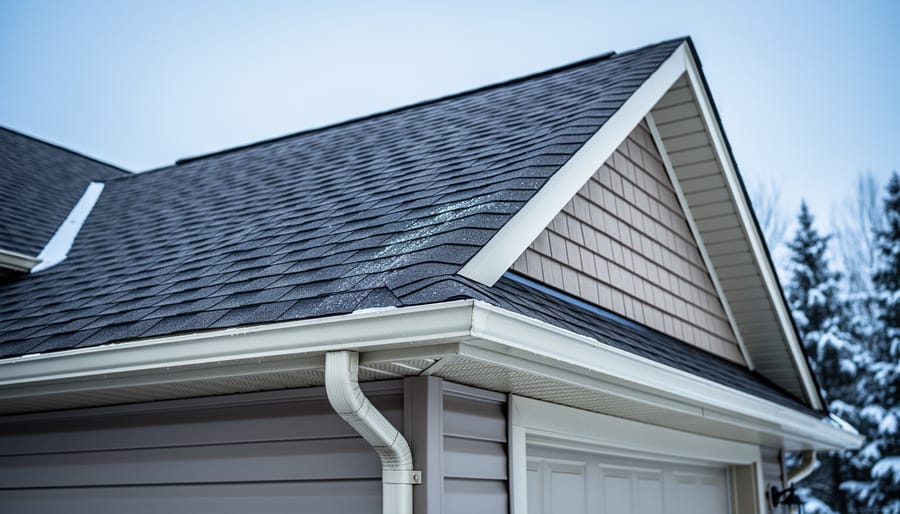
Your home’s roof is one of its most critical protective barriers, and understanding its lifespan is essential for proper maintenance planning and budgeting. Most Canadian homeowners can expect their residential roofs to last anywhere from 15 to 50 years, depending primarily on the roofing material installed. Asphalt shingles, the most common choice across the country, typically provide 20 to 30 years of protection, while premium materials like metal roofing can exceed 40 years with proper care.
The question of roof longevity isn’t just about the material you choose. Climate conditions play a significant role in how quickly roofing systems deteriorate. Canadian winters bring harsh freeze-thaw cycles, heavy snow loads, and ice damming that accelerate wear on even the most durable materials. Installation quality matters tremendously too. A poorly installed premium roof will fail faster than a properly installed standard one.
Knowing when your roof approaches the end of its functional life helps you avoid emergency situations and costly interior damage. Warning signs like missing shingles, persistent leaks, or granule loss in gutters signal that replacement conversations should begin. Regular inspections and minor repairs can extend your roof’s service life by several years, protecting your investment and giving you more control over replacement timing.
At Canadian Roofs & Co., homeowners across the region trust our expertise not only for quality installations but also for navigating insurance claims when storm damage or unexpected failures occur. Understanding your roof’s expected lifespan empowers you to make informed decisions about maintenance, repairs, and eventual replacement while maximizing the value of your roofing investment.
Average Lifespan by Roofing Material
Asphalt Shingles: The Most Common Choice
Asphalt shingles dominate Canadian residential roofing for good reason: affordability, straightforward installation, and decent performance in our climate. But not all asphalt shingles last equally long.
3-Tab Shingles: Budget-Friendly But Shorter-Lived
The most basic option, 3-tab shingles typically last 15-20 years under Canadian conditions. They’re thinner, lighter, and less resistant to wind uplift and temperature swings. Many older homes still have them, but they’re gradually losing market share.
Architectural Shingles: The Current Standard
These thicker, multi-layered shingles last 25-30 years and have largely replaced 3-tabs as the go-to choice. They offer better wind resistance (rated up to 130 mph), improved algae resistance, and enhanced curb appeal with dimensional texture. Most Canadian manufacturers now warranty architectural shingles for 30-50 years, though actual lifespan depends heavily on installation quality and climate exposure.
Why Canadians Choose Asphalt
The combination of reasonable cost, proven performance through freeze-thaw cycles, and wide availability of skilled installers makes asphalt shingles practical for most homeowners. They handle snow loads well, come in numerous colours, and replacement parts remain readily accessible. While premium materials last longer, asphalt shingles deliver solid value for their 20-30 year service life.
Metal Roofing: Long-Term Investment
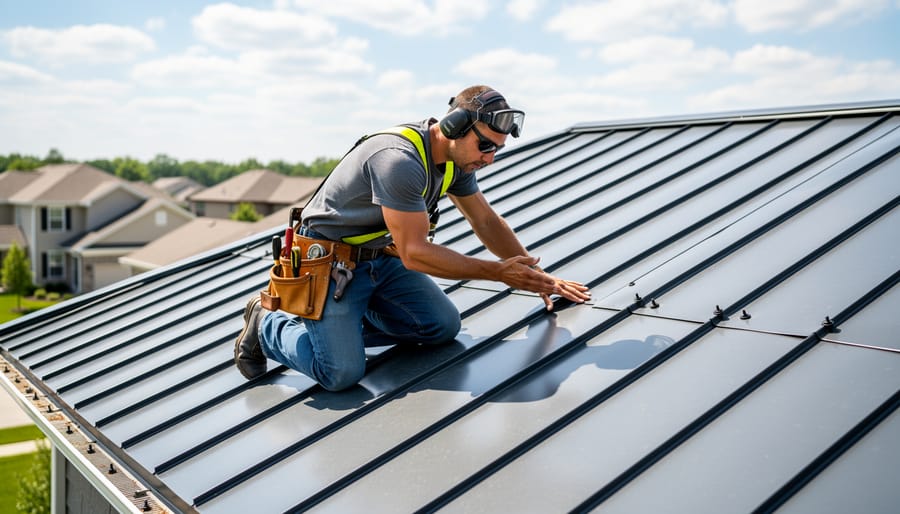
Metal roofs stand out as the most durable option for Canadian homes, with an expected lifespan of 40 to 70 years depending on the specific metal type. Steel roofing typically lasts 40-50 years, while aluminum and copper can exceed 70 years with proper maintenance.
This extended longevity makes metal roofing particularly valuable in harsh Canadian climates. Metal panels excel at shedding heavy snow loads before dangerous accumulation occurs, and they resist the freeze-thaw cycles that crack other materials. Unlike asphalt shingles that absorb heat and deteriorate under UV exposure, metal reflects solar radiation, reducing cooling costs by up to 25% during summer months.
The initial investment runs higher than asphalt, typically $12,000 to $25,000 for an average home in 2026, but the cost-per-year over the roof’s lifetime often proves more economical. Metal roofs rarely require repairs beyond fastener adjustments or sealant touch-ups every 15-20 years.
Canadian winters pose no threat to quality metal installations. They won’t crack in extreme cold, resist ice damming better than most alternatives, and their smooth surface prevents moss and algae growth common in humid regions. For homeowners planning to stay long-term, metal roofing delivers decades of reliable protection with minimal maintenance.
Premium Materials: Slate, Tile, and Cedar
Premium roofing materials represent the upper tier of residential roofing longevity, though Canadian homeowners should understand both their benefits and climate-specific challenges before investing.
Slate roofing stands as the most durable option, lasting 75 to 150 years when properly installed and maintained. This natural stone material resists fire, rot, and insect damage while handling freeze-thaw cycles remarkably well. However, slate’s substantial weight requires structural reinforcement in most homes, and finding qualified installers familiar with proper techniques can be challenging in many Canadian regions. Repairs can also be costly since damaged tiles must be individually replaced with matching material.
Clay and concrete tiles offer 50 to 100-year lifespans and excellent performance in areas with moderate weather. While popular in warmer climates, tiles face challenges in Canadian winters. Snow and ice accumulation creates considerable weight stress, and the freeze-thaw cycle can cause cracking in lower-quality tiles. Proper underlayment and installation prove critical for Canadian applications, particularly in regions experiencing harsh winters.
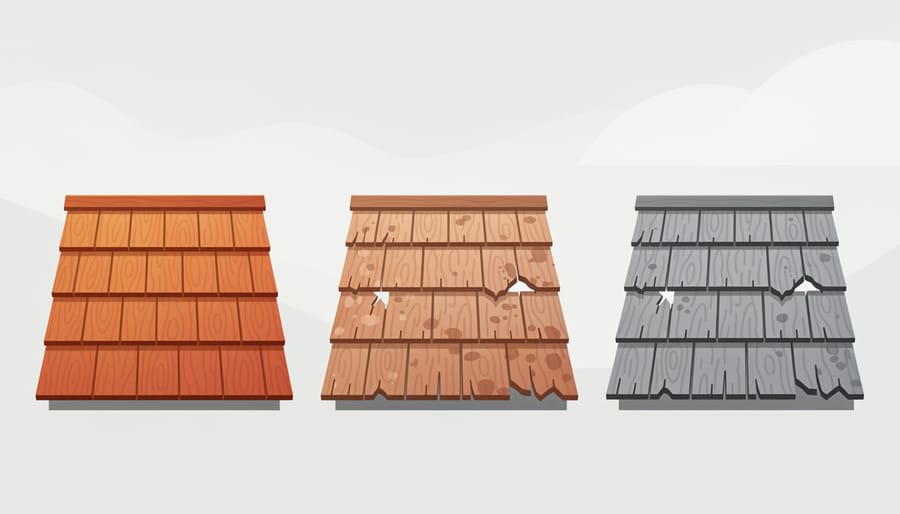
Cedar shake roofing provides a middle ground, lasting 30 to 50 years with proper maintenance. The natural wood offers excellent insulation properties and distinctive aesthetics. Canadian cedar performs well in cold climates but requires regular treatment to prevent moss growth, rot, and insect damage. Annual inspections and periodic cleaning extend lifespan considerably, though maintenance demands exceed those of synthetic materials.
These premium materials justify their higher upfront costs through exceptional longevity, but success depends heavily on choosing materials suited to your specific regional climate and ensuring expert installation.
Factors That Affect How Long Your Roof Will Last
Climate and Weather Conditions
Canada’s diverse climate poses significant challenges to roof longevity. In British Columbia, constant moisture and moderate temperatures accelerate moss growth and shingle deterioration. The Prairies face extreme temperature swings, from minus 40°C winters to plus 35°C summers, causing roofing materials to expand and contract repeatedly, which weakens seals and fasteners over time.
Freeze-thaw cycles represent the most damaging weather pattern for Canadian roofs. When melting snow seeps into small cracks and refreezes, it expands and widens those gaps. This process repeats dozens of times each spring and fall, progressively damaging shingles, flashing, and underlayment. A roof in Ottawa or Montreal might endure 40 to 50 freeze-thaw cycles annually, significantly reducing its functional lifespan compared to a similar roof in milder climates.
Ice damming compounds the problem. Heavy snow accumulation on poorly ventilated roofs melts from interior heat, then refreezes at the eaves where the roof is coldest. The resulting ice dam forces water under shingles, rotting decking and insulation. This damage can reduce a roof’s expected lifespan by years if not addressed.
UV exposure also degrades roofing materials. Southern-facing slopes receive intense sunlight that breaks down asphalt shingle granules and oxidizes materials. Understanding how much shingles cost becomes important when UV damage necessitates earlier replacement. Eastern provinces see additional salt air corrosion in coastal areas, while Prairie hailstorms can destroy roofs in minutes. These regional factors explain why Canadian shingle pricing often reflects durability requirements specific to local weather patterns.
Installation Quality and Workmanship
The quality of installation matters as much as the material you select. A premium 50-year metal roof installed improperly might fail in 20 years, while a standard asphalt shingle roof installed by skilled professionals can reach or exceed its expected lifespan. Poor workmanship creates vulnerabilities that accelerate deterioration regardless of material quality.
Qualified residential roofing contractors understand regional building codes, proper flashing techniques around chimneys and vents, correct nail placement, and appropriate underlayment for Canadian climates. They ensure shingles lie flat without gaps, seal penetrations properly, and install starter strips correctly at eaves and rakes. These details prevent water infiltration, wind uplift, and premature failure.
Ventilation represents another critical installation component. Proper attic ventilation balances intake and exhaust to prevent moisture buildup and excessive heat, both of which shorten roof life. Inadequate ventilation causes ice damming in winter, premature shingle aging from trapped heat, and deck rot from condensation.
Common installation mistakes that reduce how long residential roofs last include improper nail placement that weakens shingle attachment, inadequate flashing at valleys and transitions, missing drip edges that allow water under shingles, and reusing old flashing during replacement. Each shortcut costs years of roof life.
Maintenance and Regular Inspections
Regular maintenance can add five to ten years to any residential roof, regardless of material. The difference between a roof lasting its expected lifespan and failing prematurely often comes down to consistent upkeep.
Inspect your roof twice yearly, once in spring and again in fall, to catch minor issues before they escalate. After severe storms, conduct additional checks for damage. During inspections, look for missing, cracked, or curling shingles, signs of granule loss in gutters, damaged flashing around chimneys and vents, and any sagging areas that suggest structural problems.
Clear debris from gutters and valleys at least twice per year to prevent water backup and ice damming. Trim overhanging branches that drop leaves or could damage the roof during windstorms. Remove moss growth promptly, as it traps moisture against shingles and accelerates deterioration.
Address small repairs immediately. A single missing shingle allows water infiltration that can damage decking and insulation, turning a minor fix into a major expense. Professional inspections every three to five years provide expert assessment of less visible issues like ventilation problems or early membrane failure on flat sections.
Roof Design and Ventilation
Roof pitch directly affects water drainage and snow shedding, with steeper slopes naturally extending lifespan by preventing moisture accumulation. Flat or low-slope roofs require more vigilant maintenance because water pools more readily, accelerating wear on membranes and seams.
Proper attic ventilation regulates temperature and humidity, preventing heat buildup in summer and ice dam formation in winter. Without adequate airflow, trapped moisture deteriorates sheathing and shingles from underneath while extreme attic temperatures stress roofing materials. Ridge vents, soffit vents, and gable vents work together to create continuous air circulation.
Complex roof designs with multiple valleys, dormers, and transitions create more potential failure points where water can penetrate. While architectural interest adds curb appeal, simpler designs with fewer intersections typically outlast elaborate configurations because they have fewer vulnerable seams and flashings where leaks develop over time.
Warning Signs Your Roof is Nearing the End of Its Life
Knowing the typical lifespan of your roofing material is one thing, but recognizing when your specific roof is actually failing is another. Even a roof installed with quality materials can show premature deterioration due to storm damage, poor ventilation, or manufacturing defects. Watch for these warning signs that your roof may need replacement sooner than expected.
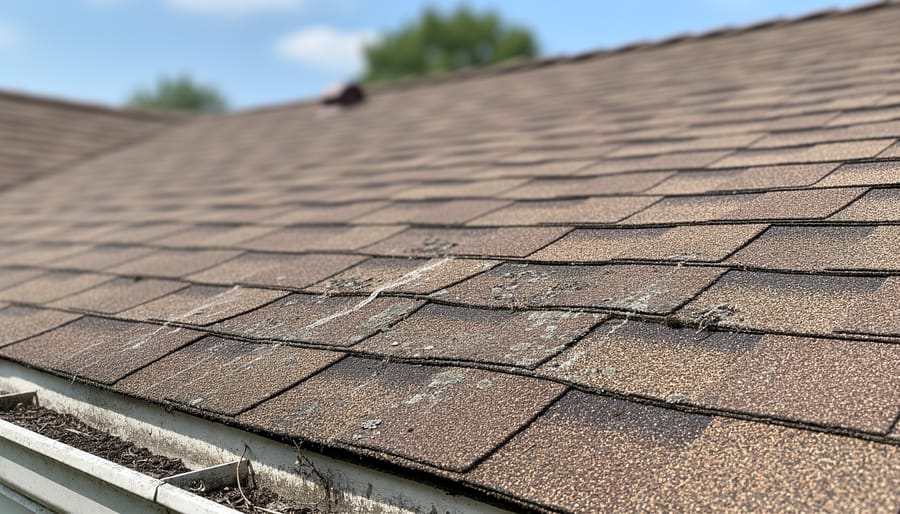
Curling, cracked, or missing shingles are among the most obvious exterior indicators. Asphalt shingles naturally lose granules over time, but if you notice significant granule loss in gutters and downspouts or bare spots exposing the underlying mat, the shingles have lost their protective coating. Check the slopes that receive the most direct sun exposure first, as UV damage accelerates deterioration there. Shingles that curl at the edges or corners, or develop visible cracks, can no longer shed water effectively.
Sagging areas on your roof deck signal structural problems that won’t resolve themselves. Walk around your property and look for dips, waves, or sections that appear lower than surrounding areas. This often indicates moisture has compromised the decking or support structure beneath the shingles, requiring immediate attention from residential roofing services before the problem worsens.
Interior warning signs are equally important. Water stains on ceilings or walls, particularly after rain or snowmelt, indicate your roof is no longer keeping moisture out. Don’t assume a small stain means a small problem. Water often travels along rafters before appearing inside, so the actual leak source may be far from the visible damage. Increased energy bills can also signal roof failure, especially if your attic temperature has become more extreme or you notice ice dams forming earlier in winter than in previous years.
Daylight visible through roof boards when you’re in the attic is a clear failure sign. Similarly, if your attic feels excessively hot in summer or cold in winter compared to previous years, your roof system may no longer be functioning as an effective thermal barrier.
Age combined with multiple minor issues often tips the scale toward replacement. If your asphalt roof is approaching 20 years old and you’re noticing several of these signs simultaneously, patch repairs become less cost-effective than a complete replacement. A professional inspection can assess whether your roof has a few serviceable years remaining or if deterioration has progressed too far for repairs to make financial sense.
Maximizing Your Roof’s Lifespan
Proper maintenance and timely interventions can add 5 to 10 years to how long a residential roof lasts, regardless of material. Most homeowners underestimate the cumulative impact of small, consistent efforts in preserving their investment. These proven strategies help maximize your roof’s functional life while minimizing unexpected expenses.
- Schedule biannual inspections in spring and fall. Walk around your property to check for missing, cracked, or curling shingles, and inspect flashing around chimneys, vents, and valleys for gaps or rust. Catching minor issues early prevents water infiltration that accelerates deterioration.
- Clean gutters and downspouts quarterlyespecially after autumn leaf drop and spring thaw. Clogged gutters cause water to back up under shingles, leading to rot in fascia boards and roof decking. In winter, ice dams form more readily when gutters overflow.
- Remove debris immediately after storms or high winds. Branches, leaves, and pine needles trap moisture against roofing materials, promoting algae growth and accelerating granule loss on asphalt shingles. Use a roof rake for heavy snow accumulation to prevent excessive weight stress.
- Address repairs within days, not months. A single missing shingle or small leak can compromise surrounding materials quickly. The typical asphalt shingle costs for small repairs pale in comparison to extensive water damage from delayed action.
- Verify adequate attic ventilation at least annually. Proper airflow prevents heat and moisture buildup that warps decking, melts snow unevenly (causing ice dams), and prematurely ages shingles from underneath. Most Canadian building codes require a 1:300 ventilation ratio.
- Hire professional assessments every 3-5 yearseven if you see no obvious problems. Trained inspectors identify hidden issues like inadequate flashing, compromised sealant, or early signs of material fatigue that homeowners typically miss until major damage occurs.
Trim overhanging tree branches to reduce debris accumulation and prevent physical damage during storms. Branches scraping against roofing materials wear away protective granules and create entry points for moisture. Keep vegetation at least six feet away from roof edges.
Apply zinc or copper strips near the ridge to inhibit moss, algae, and lichen growth on shingle roofs. These organisms retain moisture and gradually lift shingle edges. In humid or heavily shaded areas, this preventative measure extends lifespan significantly. Never pressure wash asphalt shingles, as high-pressure water strips granules and voids warranties.
Planning for Roof Replacement: Timeline and Budget Considerations
Start planning for roof replacement two to three years before your roof reaches the end of its expected lifespan. This timeline gives you adequate opportunity to research contractors, compare quotes, and budget appropriately without facing emergency replacement decisions during a leak or storm damage.
In 2026, Canadian homeowners typically pay between $5,000 and $15,000 for asphalt shingle replacement on an average-sized home, with costs varying based on roof size, pitch complexity, material quality, and regional labour rates. Understanding shingle replacement cost helps you set realistic financial expectations. Metal roofing runs $12,000 to $25,000 or more, while premium materials like slate can exceed $40,000. These figures include tear-off, disposal, and installation of new materials.
Several financing options exist for homeowners who need roof replacement. Many roofing companies offer payment plans or work with third-party financing providers. Home equity lines of credit often provide favourable interest rates for major home improvements. When budgeting for shingles or other materials, factor in 10-15% contingency for unexpected repairs to underlying structures discovered during tear-off.
Insurance claims can significantly offset replacement costs if your roof suffered storm damage or premature failure due to manufacturing defects. Most policies cover sudden damage from wind, hail, fallen trees, or fire. Review your policy annually and document your roof’s condition with photos. If you experience storm damage, file your claim promptly and request a professional inspection. Insurance adjusters assess whether damage warrants full replacement or partial repair.
Keep in mind that normal wear and aging typically fall outside insurance coverage. However, if your roof failed prematurely due to installation errors or defective materials, you may have recourse through contractor warranties or manufacturer guarantees. Maintain records of your original installation and any maintenance performed to support potential claims.
Understanding how long a residential roof lasts empowers you to make informed decisions about one of your home’s most critical investments. While material choice plays the largest role, with lifespans ranging from 15 years for basic asphalt shingles to over a century for slate, your roof’s actual longevity depends equally on quality installation, regular maintenance, and how well it weathers Canadian climate challenges.
Proactive care makes a measurable difference. Simple actions like annual inspections, prompt repairs, and keeping gutters clear can add years to any roof’s functional life, protecting both your home and your budget from premature replacement costs.
Canadian Roofs & Co. brings decades of residential roofing experience to homeowners across Canada. We understand the unique demands our climate places on roofing systems, and we’re committed to quality craftsmanship that maximizes your roof’s lifespan. Whether you need a thorough inspection, maintenance guidance, or expert advice on replacement timing and materials, our team provides honest assessments and reliable service. We also assist with insurance claims when storm damage or unexpected failures occur, ensuring you get the coverage you deserve. Your roof protects everything beneath it. Trust it to professionals who stand behind their work and prioritize your long-term satisfaction.