
How Energy-Efficient Bathroom Renovations Cut Your Kitchener Utility Bills in Half
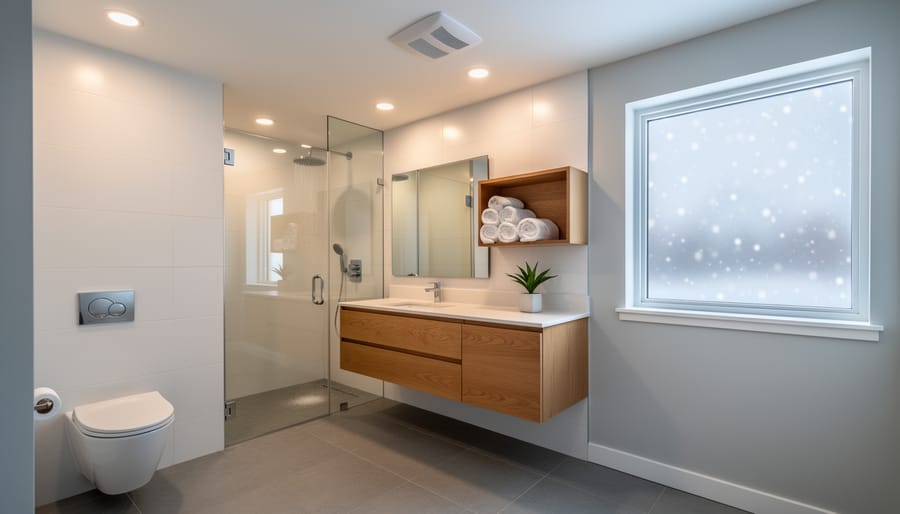
Upgrade to a dual-flush or low-flow toilet to cut water consumption by up to 67% compared to older models, saving a typical Kitchener household approximately 50,000 litres annually. Install LED lighting with motion sensors or dimmer switches to reduce bathroom electricity use by 75% while creating adjustable ambiance. Replace standard showerheads with WaterSense-certified models that maintain water pressure while using just 7.6 litres per minute instead of the conventional 9.5 litres.
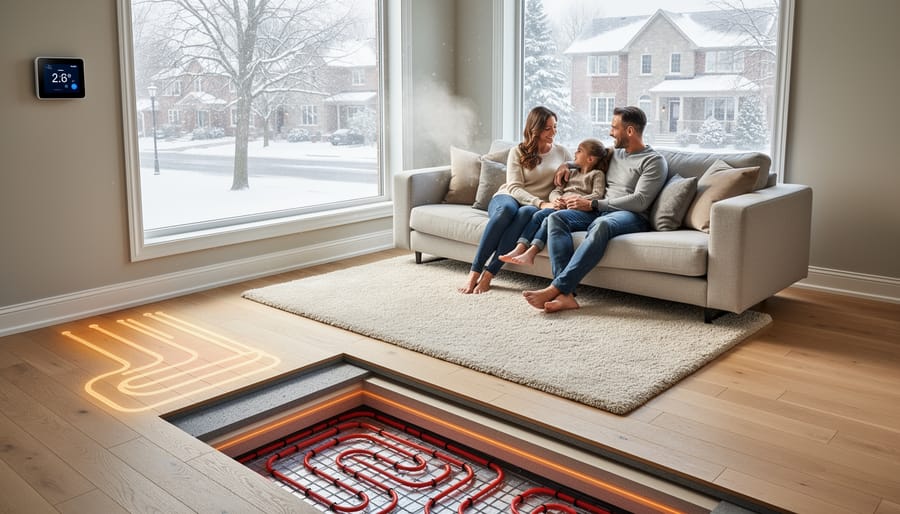
Energy-efficient bathroom renovations deliver measurable returns. Beyond lower utility bills, strategic upgrades like improved ventilation, radiant floor heating, and insulated pipes prevent moisture damage and reduce heating costs throughout Canadian winters. A properly executed renovation increases market value while creating a more comfortable living space.
Local building codes in Kitchener require specific ventilation standards and water efficiency measures for bathroom renovations. The City of Kitchener offers rebates through water conservation programs, and provincial incentives exist for homeowners who install qualifying energy-efficient fixtures. Working with experienced Kitchener bathroom renovation specialists ensures compliance with these regulations while maximizing available rebates.
The key to successful energy-efficient renovation lies in comprehensive planning. Consider insulating exterior walls during the renovation process, selecting ENERGY STAR-certified exhaust fans that operate quietly while preventing heat loss, and choosing materials with low embodied energy. Professional installation guarantees proper sealing around fixtures and optimal performance of water-saving technologies, preventing costly callbacks and ensuring long-term efficiency gains.
Understanding Energy Efficiency in Bathroom Renovations
Energy-efficient bathroom renovations involve strategic upgrades that reduce water heating costs, minimize electricity usage, and decrease water consumption while maintaining comfort and functionality. For Kitchener homeowners, these improvements address specific challenges posed by the region’s cold winters and humid summers, where bathroom heating and ventilation systems work overtime. According to residential energy consumption data bathrooms account for a significant portion of household energy use, primarily through water heating, which represents the second-largest energy expense in most homes.
The local climate makes energy efficiency particularly valuable. Winter temperatures regularly drop below freezing, forcing heating systems to work harder in poorly insulated bathrooms. Moisture control becomes critical during these months, as inadequate ventilation leads to condensation, mold growth, and wasted energy from running exhaust fans longer than necessary. Modern efficient fixtures address these issues while providing superior performance.
Beyond immediate utility savings, energy-efficient renovations increase your home’s value and appeal to environmentally conscious buyers. The financial benefits accumulate over time. A low-flow toilet can save approximately 13,000 gallons of water annually, while LED lighting uses 75% less energy than traditional bulbs. Water-efficient showerheads maintain pressure while reducing hot water consumption by up to 2,700 gallons per year.
Environmental benefits extend beyond individual households. Reduced energy demand means fewer greenhouse gas emissions from power generation. Lower water consumption preserves regional water resources. For Kitchener residents committed to sustainability, bathroom renovations offer tangible opportunities to reduce their environmental footprint while enjoying a more comfortable, modern space that costs less to operate month after month.
Planning Your Energy-Efficient Bathroom Renovation
Energy Audits and Assessments
Before beginning any energy-efficient bathroom renovation in Kitchener, understanding your current energy consumption provides the foundation for meaningful improvements. A proper energy audit identifies where your bathroom wastes resources and prioritizes upgrades that deliver the best return on investment.
Start by examining your water heating costs, which typically represent the largest energy expense in bathrooms. Review your utility bills to establish baseline consumption, then assess your existing fixtures. An older toilet can use up to 13 litres per flush compared to modern high-efficiency models using just 4.8 litres. Similarly, standard showerheads flow at 9.5 litres per minute, while WaterSense-certified options reduce this to 7.5 litres without sacrificing pressure.
Check for air leaks around windows, exhaust fans, and exterior walls. These hidden gaps force your heating system to work harder during cold Kitchener winters. Thermal imaging can reveal insulation deficiencies that increase both heating and cooling costs throughout the year.
Many Kitchener homeowners benefit from professional energy assessments that include blower door tests and detailed fixture evaluations. These comprehensive audits provide specific recommendations tailored to your bathroom’s unique conditions. Some assessments may qualify for local rebate programs, making them a cost-effective first step in your renovation planning process.
Document your findings with photos and measurements to guide contractor discussions and ensure your renovation addresses all identified efficiency opportunities.
Permits and Regulations in Kitchener
Before starting any energy-efficient bathroom renovation in Kitchener, homeowners need to understand the local regulatory landscape. Most bathroom renovations that involve structural changes, plumbing alterations, or electrical work require permits from the City of Kitchener. The city’s building permit requirements outline which projects need approval, and bathroom renovations typically fall under this umbrella when replacing fixtures, moving walls, or updating drainage systems.
The permit process protects homeowners by ensuring work meets Ontario Building Code standards, which include specific provisions for water conservation and energy efficiency. Inspectors verify that new installations comply with current regulations, including proper ventilation to prevent moisture-related issues and adequate insulation around plumbing to minimize heat loss.
Kitchener residents can take advantage of several rebate programs that offset the cost of energy-efficient upgrades. The City partners with regional conservation initiatives that offer incentives for low-flow toilets, water-efficient showerheads, and ENERGY STAR-certified ventilation fans. Property owners should check current program availability before starting their renovation, as these incentives change periodically.
Working with licensed contractors familiar with local regulations streamlines the permit application process and ensures compliance. Professional renovators understand Kitchener’s specific requirements and can handle the documentation, reducing delays and preventing costly corrections. They also stay current on available rebates and can recommend fixtures that qualify for maximum incentive benefits while delivering long-term savings on utility bills.
Water-Saving Fixtures and Technologies
Water-efficient fixtures represent one of the most straightforward ways to reduce utility costs during a bathroom renovation. Modern low-flow toilets use just 4.8 litres per flush or less, compared to older models that consume up to 13 litres. The difference adds up quickly for a typical household.
WaterSense certified products meet strict performance standards set by the Environmental Protection Agency, ensuring at least 20 percent greater water efficiency than standard fixtures without compromising performance. This certification provides homeowners with confidence that their investment will deliver measurable results.
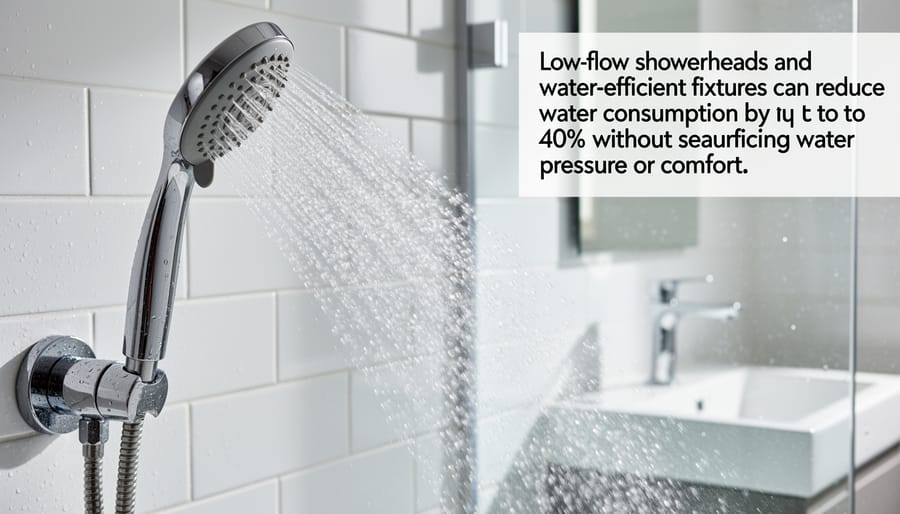
Low-flow showerheads now deliver satisfying pressure while using 7.6 litres per minute or less. Many feature aeration technology that mixes air into the water stream, maintaining the feel of a traditional shower. High-efficiency faucets reduce flow to 5.7 litres per minute, sufficient for comfortable handwashing and grooming tasks.
| Fixture Type | Standard Usage | Efficient Usage | Annual Savings (4-person home) |
|---|---|---|---|
| Toilet | 13 L/flush | 4.8 L/flush | $150-$200 |
| Showerhead | 15 L/min | 7.6 L/min | $100-$150 |
| Bathroom Faucet | 8.3 L/min | 5.7 L/min | $40-$60 |
The payback period for these fixtures typically ranges from two to four years, making them financially attractive even before considering environmental benefits. A complete bathroom fixture upgrade in Kitchener can reduce household water consumption by 25 to 40 percent.
Dual-flush toilets offer additional flexibility, providing a reduced-volume flush option for liquid waste. Touchless faucets eliminate unnecessary water flow while improving hygiene. Thermostatic shower valves maintain consistent temperature, reducing water waste during adjustment periods.
Professional installation ensures these fixtures perform as designed. Proper calibration matters, especially for pressure-assisted toilets and thermostatic controls. Many homeowners in the Kitchener region qualify for rebates through local water utility programs, further improving the return on investment for water-efficient renovations.
Heating and Ventilation Improvements
Insulation and Air Sealing
Proper insulation in a bathroom serves as the foundation for energy efficiency, particularly during Kitchener’s harsh winter months when temperatures regularly drop below freezing. Bathroom walls, floors, and ceilings require specialized insulation materials that can withstand high moisture levels while preventing heat loss.
For bathroom walls, closed-cell spray foam insulation provides excellent moisture resistance and creates an effective vapour barrier with an R-value of R-6 to R-7 per inch. Mineral wool insulation offers another reliable option, as it won’t compress when wet and maintains its thermal performance. The ceiling requires extra attention since heat naturally rises, making it a primary source of energy loss. Installing insulation with a minimum R-50 rating in the attic space above your bathroom significantly reduces heating costs.
Air sealing complements insulation by eliminating drafts around electrical outlets, plumbing penetrations, and the bathroom exhaust fan. These small gaps account for substantial heat loss over time. Professional contractors use specialized caulking and expanding foam to seal these areas before installing moisture-resistant insulation. This combination creates a thermal envelope that keeps your bathroom comfortable while reducing strain on your heating system throughout Kitchener’s extended winter season.
Energy Recovery Ventilators
Energy Recovery Ventilators represent one of the most sophisticated energy-efficient ventilation upgrades available for bathroom renovations. These systems work by transferring heat and moisture from outgoing stale air to incoming fresh air, capturing up to 85% of the energy that would otherwise escape through traditional exhaust fans.
In a bathroom setting, an ERV addresses a common problem. Standard exhaust fans remove humid air but also waste the heat energy used to warm that air. An ERV uses a heat exchanger core to transfer warmth from the outgoing moisture-laden air to the incoming fresh air stream, without mixing the two airflows. This means your bathroom receives proper ventilation without forcing your heating system to work overtime.
For Kitchener homeowners dealing with cold winters, this technology cuts heating costs significantly while preventing moisture buildup that leads to mold growth. The systems run quietly and continuously at low speeds, maintaining consistent air quality rather than relying on intermittent fan usage.
Professional installation ensures proper sizing and balancing for your specific bathroom layout. Many Kitchener residents see payback periods of five to seven years through reduced energy bills, while enjoying healthier indoor air year-round.
Lighting Solutions for Energy Efficiency
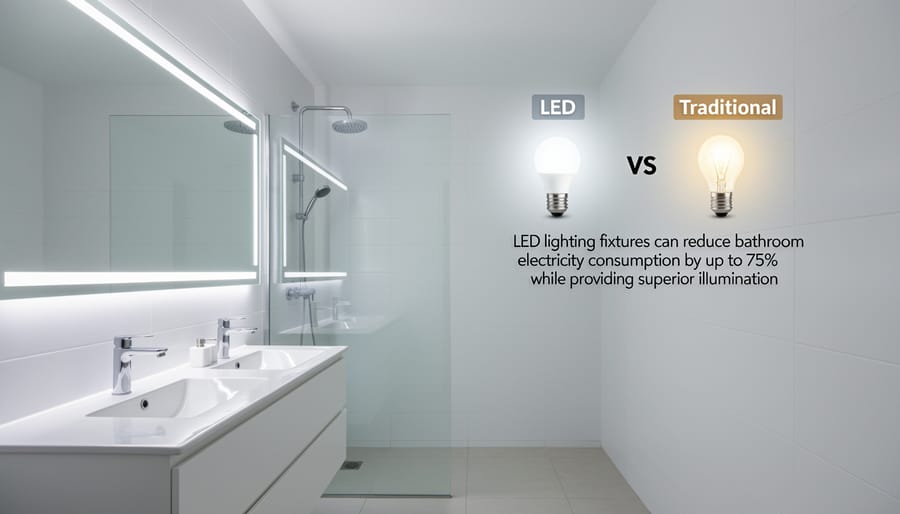
Lighting choices play a significant role in reducing bathroom energy consumption while creating an inviting space. LED fixtures have become the standard for efficient bathroom lighting, using approximately 75% less electricity than traditional incandescent bulbs and lasting up to 25 times longer. This translates to substantial savings over time, particularly in bathrooms where lights frequently remain on for extended periods. Consider installing LED vanity lighting, recessed ceiling fixtures, and shower-rated LED bulbs to maximize efficiency throughout the space.
Natural light optimization can dramatically reduce daytime electricity usage. Strategic window placement provides privacy while flooding the bathroom with daylight. Frosted or textured glass maintains discretion without sacrificing illumination. For bathrooms lacking exterior walls, skylights or solar tubes offer excellent alternatives, channeling sunlight from the roof into interior spaces. These solutions prove especially valuable in Kitchener’s climate, where natural light can brighten even north-facing rooms during summer months.
Smart lighting controls add another layer of efficiency. Motion sensors ensure lights turn off automatically when the bathroom isn’t occupied, preventing wasted energy from forgotten switches. Dimmer switches allow users to adjust brightness based on needs, reducing consumption during tasks that don’t require full illumination. Timer switches work well for exhaust fans, preventing them from running unnecessarily. Some homeowners in the Kitchener community have reported electricity reductions of 20-30% simply by implementing these controls alongside LED upgrades.
Professional installation ensures all lighting components meet electrical codes and function safely in moisture-prone environments. Proper placement and waterproof ratings protect your investment while maintaining insurance compliance.
Selecting Sustainable and Efficient Materials
Choosing the right materials for a bathroom renovation directly impacts both energy performance and environmental sustainability. Homeowners in Kitchener have access to numerous eco-friendly options that deliver excellent thermal properties while reducing the carbon footprint of their renovation projects.
Sustainable flooring options like cork and bamboo provide natural insulation that helps maintain consistent bathroom temperatures. Cork flooring offers exceptional warmth underfoot and naturally resists moisture and mold growth. Bamboo, which regenerates rapidly compared to traditional hardwoods, provides durability while contributing to better thermal regulation. Both materials reduce the need for additional heating, translating to lower energy consumption throughout Canadian winters.
Low-VOC (volatile organic compound) paints and finishes significantly improve indoor air quality while supporting energy efficiency goals. Traditional paints release chemicals that require increased ventilation, which drives up heating and cooling costs. Low-VOC alternatives minimize these emissions, allowing homeowners to maintain a healthier environment without constantly exhausting conditioned air.
Recycled tiles manufactured from reclaimed glass, porcelain, or ceramic materials offer an environmentally responsible choice without compromising performance. These products require less energy to produce than virgin materials and often feature improved thermal mass properties. This means walls and floors retain heat more effectively, stabilizing bathroom temperatures and reducing HVAC demands.
Insulated wall panels and moisture-resistant drywall with enhanced R-values create superior thermal barriers. These materials prevent heat loss through exterior walls while managing condensation issues common in bathrooms. Properly selected and installed, they work alongside efficient fixtures to create a comprehensive energy-saving system.
Working with experienced renovation professionals ensures materials are selected based on Kitchener’s specific climate conditions and building code requirements. Professional installers understand how different materials interact with existing home structures, maximizing both energy performance and longevity of the renovation investment.
Windows and Moisture Control
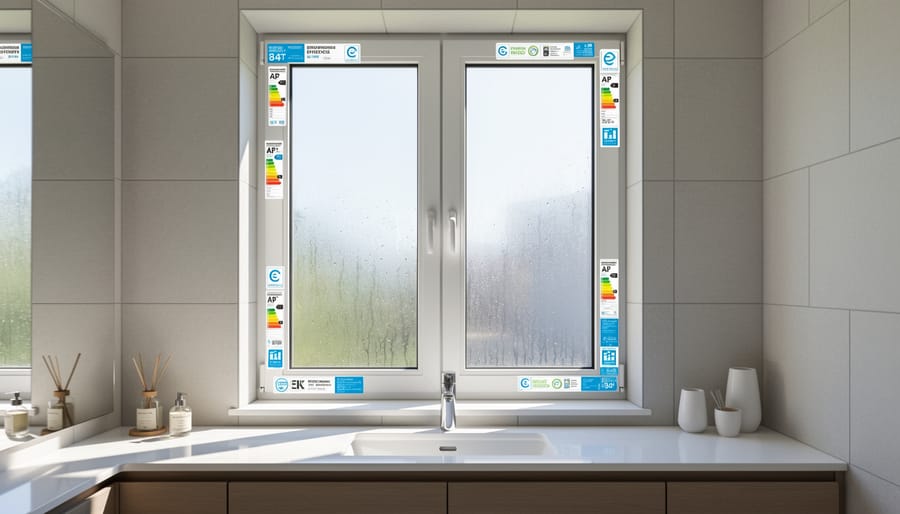
Energy-efficient windows serve a dual purpose in bathroom renovations, providing natural light while managing heat loss and moisture concerns. In Kitchener’s climate, choosing windows with low-E coatings and proper ENERGY STAR ratings prevents condensation buildup that leads to mold growth and compromised insulation. The glass surface temperature matters significantly: a quality double or triple-pane window maintains warmer interior glass, reducing the likelihood of moisture accumulation even during cold winter months.
Proper window sizing balances privacy needs with adequate ventilation and natural lighting. Smaller, strategically placed windows can provide sufficient daylight while maintaining energy performance, particularly when positioned to avoid direct wind exposure. Frosted or textured glass options allow homeowners to maximize window area without sacrificing privacy, which improves both air circulation and the effectiveness of natural light.
Moisture management extends beyond the window itself to proper installation techniques. Flashing and air sealing around the window frame prevent water infiltration that damages surrounding insulation and framing. Many Kitchener homeowners overlook this critical detail, leading to hidden moisture problems that reduce the overall energy efficiency of their renovation. Professional installation ensures continuity between the window’s vapor barrier and the wall assembly, maintaining the thermal envelope’s integrity.
Combining efficient windows with proper mechanical ventilation creates a comprehensive moisture control strategy. Even the best windows can’t eliminate bathroom humidity alone, making exhaust fans an essential partner in protecting both your investment and indoor air quality.
Maximizing Rebates and Incentives
Homeowners undertaking energy-efficient bathroom renovations in Kitchener can access several financial incentives that significantly reduce project costs. The Canada Greener Homes Grant provides up to $5,000 for eligible energy-efficient improvements, including high-efficiency water heaters and upgraded ventilation systems. Homeowners must complete an EnerGuide home evaluation before and after renovations to qualify.
Ontario’s Save on Energy program offers additional rebates for electric water heaters and energy-efficient lighting upgrades. The City of Kitchener also provides property tax incentives through the Community Improvement Plan for renovations that enhance energy performance. Combined, these programs can offset 20-30% of renovation costs for qualifying projects.
Insurance considerations play an important role in bathroom renovations. Upgrading plumbing systems and improving water damage prevention through better ventilation can potentially reduce home insurance premiums. Homeowners should notify their insurance providers about significant renovations to ensure proper coverage throughout the project. Similar to how pre-sale upgrades can improve property value, energy-efficient bathroom improvements often appeal to insurers seeking lower-risk properties.
Canadian Roofs & Co. assists clients throughout the rebate application process, from initial energy assessments to final documentation submission. The team maintains current knowledge of available programs and eligibility requirements, helping homeowners maximize available incentives. This expertise extends to working with insurance adjusters when renovations involve claims-related work, ensuring proper documentation and code compliance that satisfies both rebate programs and insurance requirements.
Working with Experienced Renovation Professionals
Selecting the right contractor for an energy-efficient bathroom renovation can mean the difference between achieving your sustainability goals and falling short of expected savings. Not all renovation professionals have the specialized knowledge required to properly install high-efficiency fixtures, ensure adequate ventilation, or integrate smart technologies that maximize energy performance.
When interviewing potential contractors, ask specific questions about their experience with energy-efficient projects. How many bathroom renovations have they completed with WaterSense-certified fixtures? Can they provide references from clients who’ve seen measurable reductions in utility costs? Do they understand the importance of proper insulation around tubs and showers to prevent thermal bridging? A knowledgeable contractor should discuss ventilation requirements, moisture management strategies, and how different materials affect long-term energy performance.
Installation quality directly impacts performance. A poorly sealed window allows heat loss. An improperly vented exhaust fan creates moisture problems that require more energy to manage. Low-flow fixtures installed without addressing water pressure issues may frustrate users and lead to removal.
Canadian Roofs & Co. brings extensive experience in energy-efficient renovations throughout the Kitchener community. The team understands local building codes, climate considerations specific to southwestern Ontario, and how to navigate available rebate programs. Their approach combines technical expertise with practical problem-solving, ensuring that energy-saving features work as intended from day one.
Community involvement matters too. Contractors familiar with Kitchener neighborhoods understand local architecture styles, common renovation challenges in older homes, and building department expectations. This local knowledge streamlines the permit process and helps avoid costly mistakes. Beyond renovations, Canadian Roofs & Co. offers expertise in insurance claims assistance, providing comprehensive support when unexpected issues arise during your project.
Energy-efficient bathroom renovations deliver two powerful advantages for Kitchener homeowners: meaningful reductions in monthly utility bills and a smaller environmental footprint. By choosing low-flow fixtures, efficient lighting, improved ventilation, and proper insulation, homeowners can cut water and energy consumption while creating a more comfortable, modern space.
The key action steps are straightforward. Start by identifying your priorities and budget. Research available rebates through provincial and municipal programs. Select WaterSense and ENERGY STAR certified products that match your needs. Consider how each choice contributes to long-term savings rather than focusing solely on upfront costs.
Energy efficiency shouldn’t be an afterthought in bathroom renovation planning. It belongs at the centre of every decision, from layout changes to fixture selection. The technologies available today make it easier than ever to create bathrooms that perform better while consuming fewer resources.
Working with experienced professionals ensures your renovation meets local building codes, qualifies for available incentives, and achieves the efficiency goals you’ve set. Proper installation makes the difference between a bathroom that delivers on its promises and one that falls short. Consult with qualified renovation specialists who understand both the technical requirements and the practical realities of energy-efficient upgrades in Kitchener homes.