
When Is Construction Holiday in Quebec 2026: Planning Your Roofing Project Around Industry Shutdowns
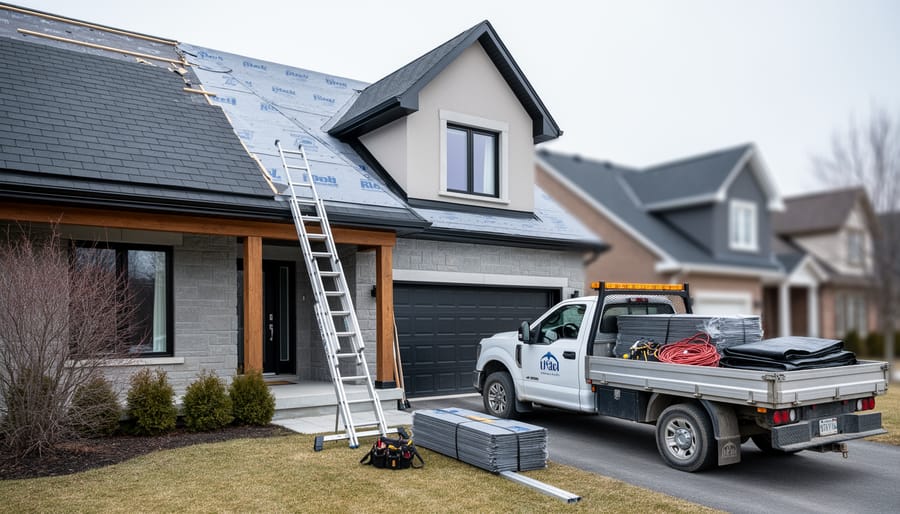
Quebec’s construction industry observes two mandatory vacation periods in 2026: the summer break runs from July 19 to August 1, and the winter break from December 20, 2026, to January 2, 2027. These government-mandated shutdowns affect nearly all construction activity across the province, including roofing projects, renovations, and repairs.
For homeowners planning roofing work, these dates represent critical scheduling boundaries. Contractors must pause projects during these two-week periods, meaning any work started too close to the vacation dates will face interruption. The summer holiday begins on the second-last Sunday of July each year, a schedule determined by Quebec’s collective agreements for the construction sector and managed by the Commission de la construction du Québec (CCQ).
Understanding these dates allows for strategic project planning. Starting a roofing installation in early June provides ample time for completion before the summer shutdown. Alternatively, scheduling work for early August ensures crews return refreshed and ready to tackle projects before the autumn weather window closes. The same principle applies to the winter break: projects initiated in early November can typically be completed before the December 20 pause, while work scheduled for January benefits from post-holiday availability.
These mandatory breaks affect contractor availability, material deliveries, and insurance claim timelines. Homeowners dealing with storm damage or urgent repairs should account for these periods when filing claims and coordinating with restoration professionals who specialize in navigating Quebec’s unique construction calendar.
2026 Quebec Construction Holiday Dates: Quick Answer

Quebec’s construction industry observes two mandatory vacation periods in 2026, during which most contractors, roofers, and renovation professionals cannot work on active projects. Knowing these 2026 holiday dates and times is essential for anyone planning residential or commercial work.
The summer break begins on July 19, 2026, at 00:01 and continues through August 1, 2026, at 24:00, a full two-week shutdown. The winter break follows a similar pattern, starting December 20, 2026, at 00:01 and ending January 2, 2027, at 24:00. These aren’t optional closures or contractor preferences; they’re mandatory vacation periods established through collective agreements that govern Quebec’s construction sector.
During these windows, nearly all roofing, renovation, and construction activity halts. Contractors cannot schedule installations, complete ongoing projects, or begin new work. For homeowners considering improvements that affect exterior renovation value these dates directly impact when you can realistically start and finish projects. Emergency repairs may have limited availability, but planned work must be scheduled around these industry-wide shutdowns.
Understanding Quebec’s Construction Holiday Schedule
How Construction Holiday Dates Are Determined
Quebec’s construction holiday dates follow a consistent formula established through collective agreements negotiated by industry stakeholders. The summer break always begins on the second-last Sunday of July and extends for exactly two weeks. This standardized approach means the starting date shifts slightly each year depending on how the calendar falls, but the pattern remains predictable.
The Commission de la construction du Québec (CCQ) oversees the official determination and publication of these dates. Each year, the CCQ releases an industry calendar that confirms the precise start and end times for both mandatory vacation periods. These dates aren’t arbitrary, they’re formally established through collective agreements that govern Quebec’s construction sector, ensuring the entire industry operates on the same schedule.
For 2026, applying this formula places the summer construction holiday from July 19 (the second-last Sunday) through August 1. The winter break, similarly determined through collective agreements, runs from December 20, 2026, through January 2, 2027. Homeowners planning roofing projects can rely on this regulatory framework, as these dates are legally binding across the construction industry. The CCQ publishes the official calendar well in advance, giving contractors and property owners adequate time to plan around these mandatory shutdowns.
Who Is Affected by the Construction Holiday
The mandatory construction holiday applies to all workers employed in Quebec’s construction sector under the jurisdiction of the CCQ (Commission de la construction du Québec). This includes residential and commercial roofing contractors, general construction companies, renovation specialists, masonry workers, electricians, plumbers, HVAC technicians, and other skilled trades covered by the industry’s collective agreements.
For homeowners planning roofing projects, this means your contractor, their crew, and virtually all subcontractors involved in construction work will be unavailable during both the July 19, August 1 summer period and the December 20, January 2 winter period. Material suppliers, building inspectors tied to construction schedules, and related service providers often align their operations with these industry shutdowns as well.
Some exceptions exist for essential maintenance workers and emergency repair personnel who may operate on limited schedules during the holidays. However, availability is significantly reduced, and emergency services typically address only urgent situations like active leaks or structural hazards, not planned projects or routine work.
Understanding this broad industry scope helps explain why scheduling around these dates isn’t simply about one contractor’s vacation, it’s a coordinated shutdown affecting the entire Quebec construction ecosystem.
Best Time Windows to Schedule Your Roofing Project
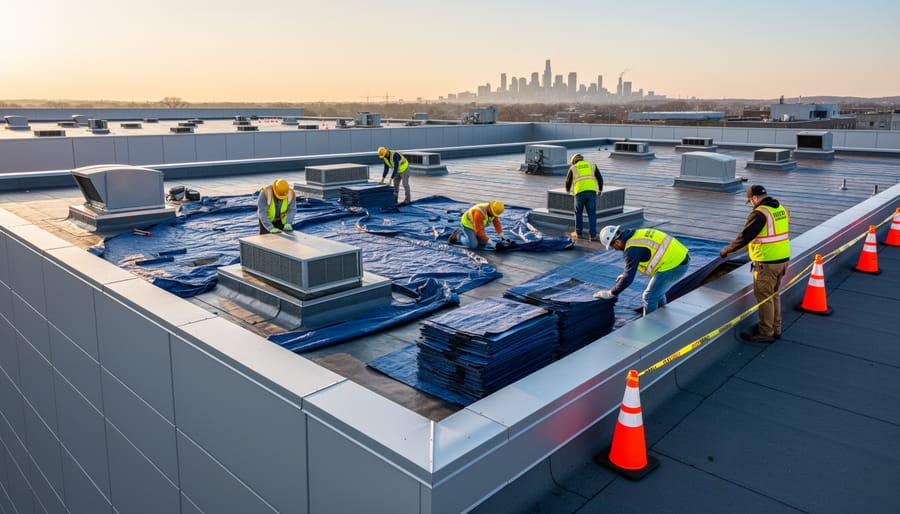
Scheduling Before the Summer Construction Holiday
Booking your roofing project for May through mid-July offers a compelling advantage: guaranteed completion before the July 19 shutdown. You won’t face a half-finished roof sitting idle for two weeks while your contractor is on mandatory vacation. Projects completed in this window also benefit from consistently warm, dry weather, ideal conditions for proper material installation and curing.
The trade-off is heightened competition. Spring and early summer represent peak season for Quebec roofing contractors, as homeowners rush to secure spots before the holiday. Reputable companies often fill their pre-holiday schedules by late March or early April, meaning you’ll need to contact contractors in late winter to secure your preferred start date.
Expect longer booking lead times during this period, sometimes eight to twelve weeks out. Contractors prioritize jobs they can confidently finish before July 19, so larger projects may be deferred to the post-holiday window. If you’re planning complex work, multi-layer tear-offs, structural repairs, or insurance claim projects requiring inspections, starting conversations in February or March gives you the best chance of completion before the summer break.
The urgency works in your favor for one thing: contractors are motivated to finish on schedule, knowing they can’t extend into the holiday period.
Post-Holiday Scheduling (August Through November)
The period from early August through November presents an attractive window for roofing projects. Contractor schedules normalize after the summer break, often with more flexibility for booking and potentially shorter wait times than the pre-holiday rush. Many contractors return refreshed and ready to tackle projects efficiently before the winter slowdown.
Fall weather in Quebec offers distinct advantages for roofing work. August through October typically delivers stable conditions with moderate temperatures ideal for shingle installation, proper adhesive curing, and comfortable working conditions. September and October are particularly favorable, warm enough for materials to seal properly, yet cool enough to avoid the intense summer heat that can make shingles too pliable.
However, this window has firm boundaries. Projects must account for Quebec’s harsh winters and the approaching December 20 shutdown. Complex roofing installations requiring several weeks should begin by early September to ensure completion before weather turns unpredictable. November work becomes increasingly weather-dependent, with shorter daylight hours and risk of early snow limiting productivity.
Homeowners planning fall projects should secure contractors by late July or early August. This timing allows proper planning while contractors still have autumn availability, ensuring your roof is weather-tight before winter arrives.
Winter Project Planning Around December Shutdown
Winter roofing work faces significant constraints in Quebec, and the December 20, January 2 shutdown compounds these challenges. Most full-scale roofing installations aren’t feasible during this period, cold temperatures prevent proper adhesive curing, shingle sealing, and safe working conditions. However, emergency repairs like temporary leak patching or tarp installation remain critical services. If you’re facing active water intrusion or storm damage in mid-to-late December, contact your contractor immediately rather than waiting until after the holidays. Limited emergency crews may be available, though response times will be longer than during regular periods. For planned maintenance or minor repairs, schedule work for early December (before the 20th) or wait until the new year. This ensures contractors have adequate time to complete the work properly and address any follow-up needs. Winter projects requiring permits or insurance approval need even earlier initiation, aim for November to account for holiday slowdowns in processing times across all parties involved.
Factors That Can Shift Your Project Timeline
Contractor Availability and Booking Lead Times
Reputable roofing contractors in Quebec typically book projects two to six weeks in advance during normal seasons, but this timeline extends significantly as construction holidays approach. In the month leading up to the July 19 summer shutdown, demand surges as homeowners rush to complete projects before the two-week break. Many established contractors are fully booked six to eight weeks ahead during peak spring and early summer months.
This booking crunch creates a domino effect: contractors want to finish ongoing projects before the holiday, which limits their ability to start new work in late June and early July. The same pattern occurs before the December 20 winter shutdown, though with less intensity due to weather limitations on roofing work.
For homeowners planning roofing projects in 2026, contact contractors at least eight weeks before your preferred start date, earlier if you’re targeting the popular May through mid-July window. If your project must be completed before the summer holiday, reach out by late April or early May. This advance planning ensures you secure a spot on the contractor’s schedule rather than competing with last-minute bookings or facing delays that push your project past the shutdown, adding weeks to your timeline.
Weather and Seasonal Considerations
Quebec’s harsh climate creates specific timing constraints for roofing work that often override construction holiday considerations. Temperature must stay above 5°C for proper shingle adhesive activation, making May through October the reliable window for most installations. Freezing overnight temperatures, common from November through April, prevent proper material bonding and void many manufacturer warranties.
Weather trumps the construction holiday calendar when safety is at risk. Active leaks, lifted shingles after windstorms, or ice dam damage require immediate attention regardless of industry shutdowns. Water penetration accelerates exponentially during Quebec’s freeze-thaw cycles, turning minor leaks into structural damage within weeks. Snow load issues similarly can’t wait, excessive accumulation threatens roof integrity and demands urgent assessment.
Spring scheduling (late April through June) offers ideal conditions before summer demand peaks, though unpredictable rain can delay starts. Fall (September through mid-October) provides stable weather and returning contractor availability post-holiday, but narrowing daylight and approaching winter create tight completion windows. For routine replacements, booking well before the July shutdown ensures completion during optimal conditions rather than rushing post-holiday work into uncertain autumn weather.
Insurance Claims and the Construction Holiday
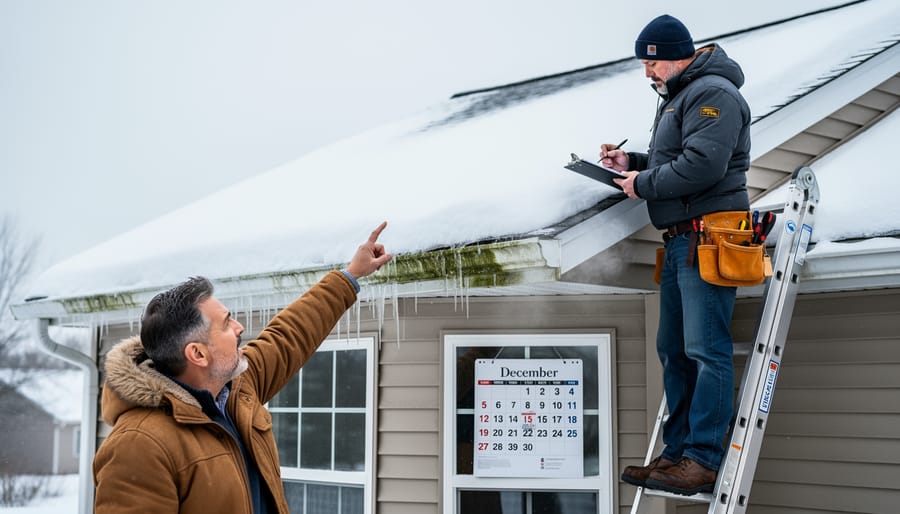
When your roof suffers storm damage or requires repairs covered by insurance, Quebec’s construction holidays can add weeks to your claim timeline. Insurance adjusters and roofing contractors both operate on limited schedules during the July 19, August 1 and December 20, January 2 shutdowns, which means delays in assessments, approvals, and repair work. Initiating insurance claims at least four to six weeks before these shutdown periods gives you the best chance of completing repairs without interruption. If damage occurs just before a construction holiday, document it thoroughly with photos and contact your insurer immediately, but understand that repair work may not begin until contractors return.
For urgent claims filed during holiday periods, your insurer will still process paperwork, but physical assessments and repairs face unavoidable delays until the industry resumes. Plan ahead whenever possible, communicate clearly with both your insurance provider and contractor about holiday impacts, and prioritize emergency temporary solutions if your claim can’t be fully resolved before a shutdown.
What Happens If You Have an Emergency During Construction Holiday
Emergency roofing situations don’t respect holiday schedules. During Quebec’s mandatory construction shutdowns (July 19, August 1 and December 20, January 2, 2027), most contractors take their required vacation, which means limited availability when urgent problems arise. Understanding what qualifies as a true emergency and how to prepare can prevent minor issues from becoming disasters.
A genuine roofing emergency requires immediate attention to prevent property damage or safety hazards. Active leaks causing interior water damage, visible structural sagging or collapse risk, large sections of missing shingles after storms, compromised chimney flashing allowing water intrusion, and fallen trees or debris puncturing the roof all qualify as emergencies. These situations can’t wait two weeks without causing escalating damage to your home’s interior, insulation, and structural components.
During the construction holiday, emergency roofing services operate with skeleton crews. Many contractors arrange on-call coverage for critical situations, but response times will be longer and costs typically higher due to holiday premium rates. Some roofing companies maintain emergency lines staffed 24/7, though the work performed during holidays usually focuses on temporary stabilization rather than complete repairs.
Before each construction holiday period, take preventive steps to minimize emergency risks:
- Schedule a professional roof inspection in early July and mid-December to identify potential problems
- Keep tarps, plastic sheeting, and basic fasteners on hand for temporary leak coverage
- Save emergency contact numbers for your regular contractor and at least two backup services
- Document your roof’s current condition with photos for insurance purposes before the holiday
If an emergency occurs during the shutdown, contact your insurance provider immediately to report the damage and ask about emergency mitigation coverage. Most policies require prompt action to prevent further damage, which may include hiring available emergency services even at premium rates. Take photos of the damage, implement temporary protective measures if safe to do so, and keep all receipts for reimbursement claims.
After Your Project: Maintenance and Follow-Up Timing
Completing your roofing project before a construction holiday gives your new roof time to settle and allows for proper initial inspection. Most roofing materials require a curing period, shingles need time to seal properly, and sealants must fully set before the first major weather event. Scheduling your project to finish at least two weeks before the July or December shutdown ensures any minor adjustments can be addressed without holiday delays.
Follow-up inspections and warranty work should never coincide with construction holidays when contractor availability drops to zero. Here’s a practical timeline for post-project care:
- Immediate inspection (within 48 hours): Walk the property perimeter checking for debris, verify proper drainage during first rainfall, and document the completed work with photos.
- 30-day follow-up (before any holiday period): Schedule your contractor’s first inspection to check shingle seal-down, flashing integrity, and address any settling issues while crews are available.
- Seasonal maintenance schedule: Book spring inspections for March or early April, and fall maintenance for September or early October, both windows avoid the July-August and December-January shutdowns.
- Warranty service timing: Report any concerns immediately rather than waiting until a convenient time; never let issues sit unaddressed through a two-week industry closure when weather damage could worsen.
Annual maintenance is essential for protecting your investment and preserving warranty coverage. Professional inspections should include gutter cleaning, debris removal with appropriate roof cleaning supplies and checking for weather damage or wear. Quebec homeowners benefit from scheduling these services in shoulder seasons, late spring after snowmelt or early fall before winter, when contractors have better availability and you won’t face holiday-related delays if repairs are needed. Planning maintenance around construction holidays prevents the frustration of discovering a problem just as the entire industry shuts down for two weeks.
Frequently Asked Questions
Can contractors legally work during the construction holiday in Quebec?
No. The construction holidays are mandatory vacation periods for the entire construction industry in Quebec, established through collective agreements. All construction work, including roofing and renovation projects, must stop during these periods.
How far in advance should I book my roofing project to avoid the construction holiday?
Contact reputable contractors at least six to eight weeks before your desired start date, and even earlier if you’re planning work in the months leading up to July or December. Demand surges before the holidays, so early booking secures your preferred timeline.
What happens if my roofing project is scheduled to span the construction holiday dates?
Your contractor will plan to complete work before the holiday begins (July 19 or December 20) or schedule it to start after the break ends. Projects cannot continue during the mandatory shutdown, so proper timeline planning is essential to avoid leaving your roof in an incomplete state.
Are emergency roofing services available during the July and December construction holidays?
Emergency services for active leaks, storm damage, or structural hazards have extremely limited availability during the mandatory shutdown. While some contractors may offer emergency-only response, you should not count on regular availability and should address non-urgent issues before the holiday begins.
Does the construction holiday affect material deliveries for my project?
Yes. Suppliers and delivery services also observe reduced or shutdown operations during these periods. Your contractor should order and receive materials well before the holiday to prevent delays in starting your project after the break.
How do the construction holidays impact overall renovation timelines?
Projects scheduled around the July 19 to August 1 or December 20 to January 2 periods face a mandatory two-week pause. Factor these breaks into your planning from the start, especially for multi-phase renovations or projects requiring follow-up inspections and warranty work.
Understanding how the construction holidays affect your specific situation helps you make informed decisions about when to schedule your roofing work. Most scheduling conflicts arise from homeowners who discover the mandatory shutdown too late, after they’ve already committed to timelines that cannot be met. Reaching out to contractors early, particularly before high-demand periods in spring and early summer, gives you the flexibility to choose scheduling windows that work around both the July and December breaks. Projects started in May or early June can often be completed before the summer holiday, while work scheduled for September and October provides a comfortable buffer before the December shutdown.
Planning your roofing or renovation project around Quebec’s 2026 construction holidays isn’t just about knowing the dates, it’s about making strategic decisions that protect your investment and respect your timeline. With mandatory industry shutdowns from July 19 to August 1 and December 20 to January 2, early planning becomes essential for securing your preferred contractor and completing work when it matters most.
Canadian Roofs & Co. understands the challenges Quebec homeowners face when coordinating projects around these industry-wide breaks. Our team specializes in realistic project planning that accounts for construction holidays, weather windows, and insurance claim timelines. We’ve helped countless property owners navigate scheduling complexities, from urgent repairs that can’t wait to major renovations requiring precise timing.
Contact us well before peak seasons to discuss your roofing needs. Whether you’re dealing with storm damage, planning a complete roof replacement, or addressing maintenance concerns, we’ll work with you to find the optimal scheduling window that meets your needs and budget.
These mandatory vacation periods serve an important purpose in our province, giving hardworking construction professionals the rest they deserve. By planning ahead and partnering with experienced contractors who understand Quebec’s unique industry calendar, you support both your project goals and the skilled tradespeople who serve our communities year-round.