
Home Insurance for Old Houses: What Canadian Homeowners Need to Know in 2026
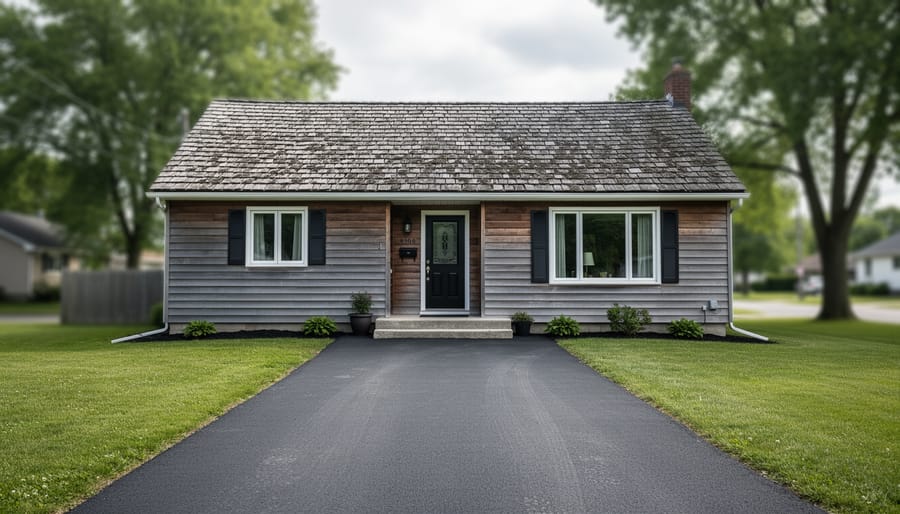
Insuring an older home in Canada requires meeting stricter underwriting requirements than newer properties, but securing coverage is achievable when homeowners address the specific systems and conditions insurers scrutinize most closely. With rates climbing 4.01% in 2026, older homes face even closer examination of electrical wiring, plumbing, heating systems, and roofing, all of which deteriorate over time and increase claim risk from the insurer’s perspective.
The challenge for prospective buyers and current homeowners isn’t simply finding an insurer willing to quote. It’s understanding what triggers underwriting red flags before the financing deadline arrives or before renewal. Insurers evaluate old houses differently because risk compounds with age: outdated knob-and-tube wiring, galvanized plumbing, asbestos materials, and aging roofs create exposure to fire, water damage, and structural failure. Many standard policies exclude vacant or unoccupied properties entirely, a concern for buyers planning renovations before moving in.
Mortgage lenders require proof of property coverage listing their interest before closing, which means buyers must secure written confirmation of the insurer, coverage limits, deductibles, and premium well ahead of legal deadlines. Waiting until the final week leaves no room to negotiate coverage terms or complete inspections insurers may demand.
The good news: targeted renovations demonstrably improve insurability. Upgrading the four critical systems insurers assess, electrical, plumbing, heating, and roofing, can transform a declined application into standard coverage. Canadian Roofs & Co. specializes in both insurance claims expertise and the renovation work that makes older homes insurable, helping homeowners navigate inspections and complete improvements that satisfy underwriting requirements while preserving the character of heritage properties.
Why Old Houses Face Unique Insurance Challenges
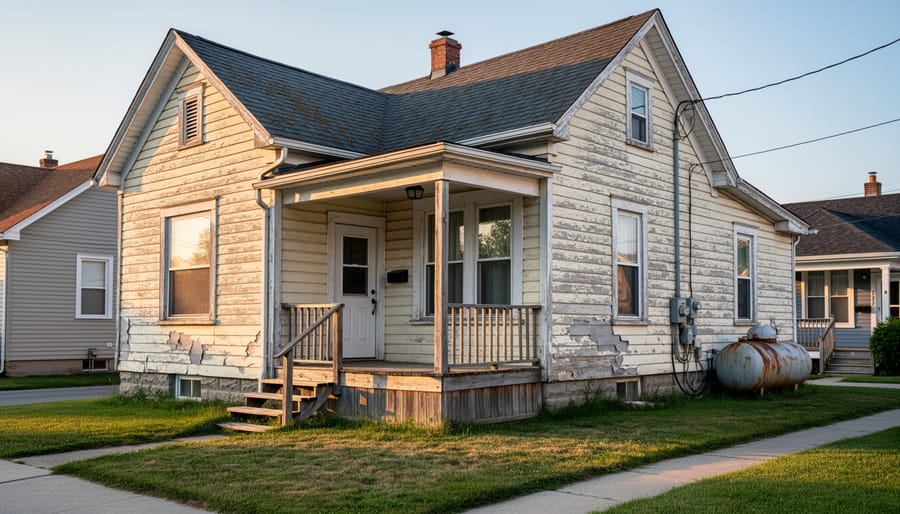
Insurers view older homes through a risk lens shaped by decades of claims data. Properties built before modern building codes face systematic vulnerabilities that newer homes simply don’t have, and underwriters know it. When you apply for coverage on an old house, you’re triggering a deeper investigation into systems that were state-of-the-art fifty or seventy years ago but now represent genuine liability.
Start with electrical systems. Many older properties still carry knob-and-tube wiring or aluminum wiring from the 1960s and 70s. These outdated systems can’t safely handle modern electrical loads, and they’re fire hazards that most insurers either exclude from coverage or refuse to insure altogether. During the underwriting process, you’ll be asked directly about your home’s wiring because it’s a deal-breaker.
Heating systems present similar concerns. Cast-iron radiators, gravity furnaces, and oil-fired boilers weren’t designed to last forever, and their failure modes include carbon monoxide leaks, fires, and water damage. Insurers want to know the type, age, and condition of your heating equipment because old systems fail more often and more catastrophically.
Plumbing in older homes means galvanized steel or lead pipes that corrode from the inside out. By the time a homeowner notices reduced water pressure, the pipes are already compromised. Burst pipes cause some of the costliest water damage claims, and insurers scrutinize water exposure risks carefully. This includes outdated chimney flashing and deteriorated roofing that lets moisture infiltrate wall cavities and attics.
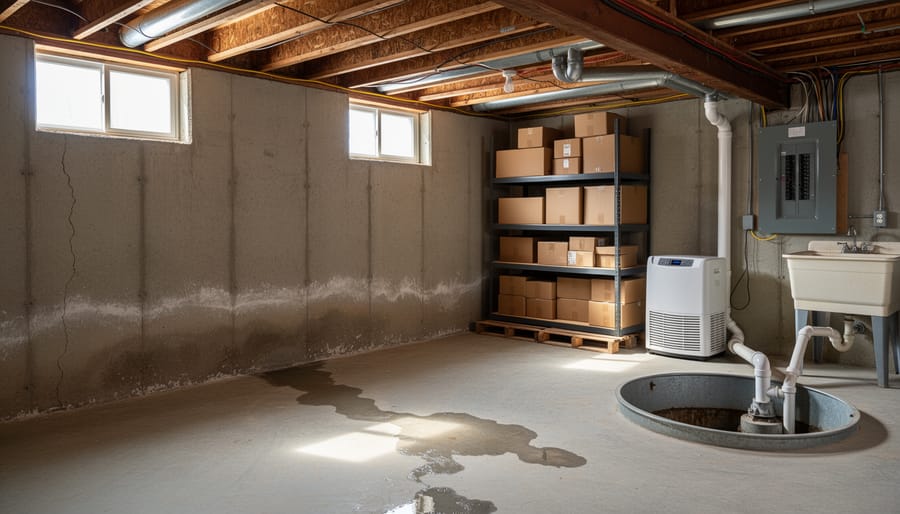
Foundation issues compound over time. Settling, cracking, and water infiltration in century-old masonry foundations create structural instability that’s expensive to repair and difficult to insure.
Finally, replacement cost looms large. Matching original materials, replicating period details, and working within heritage constraints drive rebuilding expenses far beyond comparable square footage in a modern home. Insurers must price policies to cover these elevated costs while managing the higher likelihood that a claim will occur.
Essential Underwriting Requirements for Older Properties
Documentation Buyers Must Provide
When you’re buying an old house in Canada, your lawyer and lender won’t accept a verbal promise that you’ve arranged insurance. You need written documentation that covers specific details, and you need it before the transaction closes.
Your insurance broker or company must provide a confirmation document, often called a Certificate of Insurance or Binder, that explicitly states the insurer’s name, the exact insured address, and the policy’s effective date. This isn’t paperwork you can chase down after you’ve taken possession. The mortgage lender requires this confirmation before releasing funds, and your lawyer needs it before the closing date to ensure there are no gaps in protection.
The written confirmation must detail your coverage amounts for the dwelling, contents, and liability. It should list your deductible amounts for different types of claims. Critically for buyers with mortgages, the document must name your lender as the mortgagee or loss payee, which protects their financial interest in the property. Any special conditions the insurer has imposed need to be spelled out clearly, particularly those common with older homes such as requirements to upgrade electrical systems within a specified timeframe or proof that knob-and-tube wiring has been removed.
The premium amount and payment schedule should appear in writing. Keep copies of this documentation for your records and provide them to your legal representative well ahead of the closing deadline. Most lawyers request insurance confirmation at least a week before closing to avoid last-minute complications that could delay or derail the purchase.
Timing Your Insurance Before Closing
In Canada, you cannot wait until after you take possession to arrange insurance for an older home. Mortgage lenders require written proof that property coverage is in place before the transaction completes, and they must be named on the policy to protect their financial interest in the property. This requirement creates a critical coordination challenge between your purchase timeline and policy activation.
The sequence matters. Your lender needs confirmation that coverage begins the moment title transfers, not days or weeks later. This means you must secure a policy while you’re still technically purchasing someone else’s property, which requires the cooperation of both your insurance broker and the seller’s willingness to provide detailed information about the home’s systems and history.
For older homes, this timeline becomes tighter. Insurers need to verify whether the actual address, construction details, heating system, electrical wiring, water exposure risks, renovation history, and intended use meet their underwriting standards before they’ll issue a binder. Some older properties require an inspection before coverage begins, which can delay the process if you leave it too late. If the inspector discovers knob-and-tube wiring or an outdated heating system, you may need to switch insurers or negotiate pre-sale upgrades with the seller to satisfy insurance requirements.
Before your financing and legal deadlines arrive, obtain written confirmation from your insurer that includes the insured address, effective date, coverage amounts, deductibles, your lender’s details as mortgagee or loss-payee, any special conditions, and the premium. Your lawyer and lender both need this documentation to proceed with closing. Starting the insurance process early gives you room to address any underwriting concerns without jeopardizing your purchase.
Understanding Coverage Options and Exclusions
Replacement Cost vs. Actual Cash Value
Your coverage choice determines whether your insurer pays today’s full rebuilding costs or deducts years of depreciation from your claim. Replacement cost covers the full expense to rebuild or repair your home at current prices, no depreciation applied. If your 1920s home suffers fire damage, a replacement cost policy pays what it actually costs in 2026 to rebuild that section, including materials and labour at current rates.
Actual cash value subtracts depreciation from replacement cost, leaving you responsible for the gap. A thirty-year-old roof on actual cash value coverage might be considered 75% depreciated, so you’d receive only a quarter of replacement costs even though you still need a full roof.
| Coverage Type | What You Receive | Example: $40,000 Roof Claim |
|---|---|---|
| Replacement Cost | Full current cost to repair or rebuild | $40,000 (full amount) |
| Actual Cash Value | Replacement cost minus depreciation | $10,000 (75% depreciation on 30-year roof) |
| Your Out-of-Pocket | Difference you must pay | $30,000 with ACV vs. $0 with replacement cost |
This choice matters exponentially more for older homes. Period-appropriate materials, slate tiles, cedar shingles, plaster walls, hardwood flooring, cost significantly more in 2026 than modern alternatives. Heritage windows might run triple the price of vinyl replacements. A 1910 home with actual cash value coverage could face devastating out-of-pocket expenses after a major loss, because the depreciated payout bears no relation to what matching materials actually cost.
Replacement cost premiums run higher, but strategic improvements like ventilation upgrades and modern roofing can reduce the gap while protecting your investment. Most mortgage lenders require replacement cost coverage anyway, recognizing that anything less leaves the property underinsured.
Common Exclusions for Older Homes
Standard home insurance policies carry exclusions that disproportionately affect older properties. Understanding these limitations helps you identify which renovations deliver the greatest improvement in coverage.
Vacancy and occupancy restrictions represent the most common exclusion. Insurers typically exclude coverage if your property sits vacant or unoccupied for more than 30 consecutive days. This matters particularly during purchase transitions or extended renovation periods. If you’re planning major work that requires temporarily moving out, notify your insurer beforehand to arrange specialized vacancy coverage.
Outdated building materials often trigger exclusions. Policies may exclude or severely limit coverage for homes with knob-and-tube wiring, polybutylene plumbing, aluminum wiring, or urea formaldehyde foam insulation. Some insurers also restrict coverage for certain roof materials common in older homes, such as wood shakes or asphalt shingles beyond their expected lifespan. An eavestrough replacement alongside roof work demonstrates proactive maintenance that insurers value.
Aging mechanical systems face scrutiny. Electrical panels over 40 years old, oil tanks, cast-iron plumbing, and heating systems past manufacturer-recommended lifespans may be excluded from coverage entirely. Even when covered, claims related to these systems often carry higher deductibles or reduced payouts.
Deferred maintenance damage receives no coverage under any standard policy. Insurers distinguish between sudden, accidental damage (covered) and gradual deterioration from neglect (excluded). Leaking pipes that burst unexpectedly are covered, but water damage from a slow leak you ignored for months is not.
Strategic renovations directly reduce these exclusions. Electrical rewiring, plumbing replacement, and heating system upgrades transform excluded components into fully covered assets while simultaneously lowering your premium.
Renovations That Improve Insurability
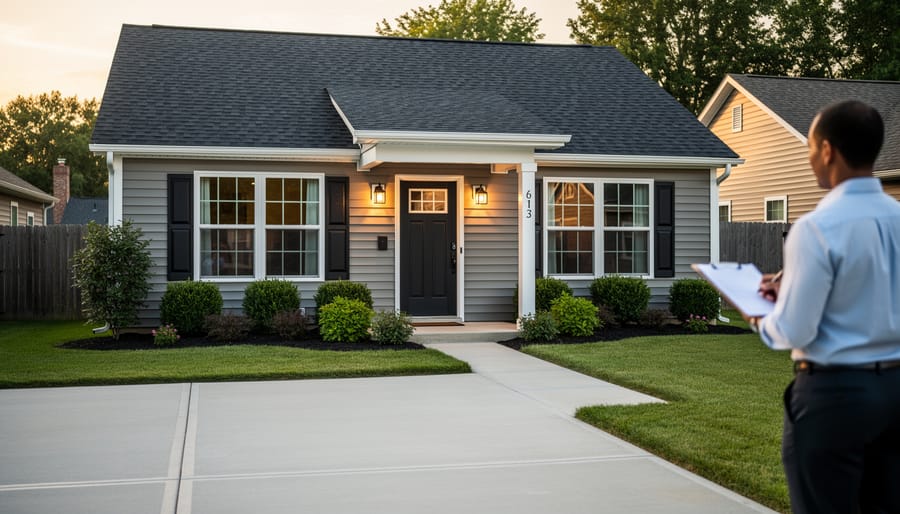
Certain renovations significantly improve your chances of securing affordable coverage for an older home. Insurers view these upgrades as risk reduction measures that justify better rates and broader policy terms.
Electrical System Upgrades
Rewiring remains the single most impactful renovation for insurability. Replacing knob-and-tube wiring, aluminum wiring, or outdated fuse panels with modern copper wiring and circuit breakers addresses insurers’ primary fire safety concerns. Most carriers require 60-amp service as a minimum, though 100-amp or 200-amp panels are standard for contemporary coverage.
Plumbing Modernization
Updating galvanized steel, lead, or polybutylene pipes with copper or PEX plumbing reduces water damage risk. Insurers particularly focus on the water service line from the street and the main shut-off valve location. Replacing old fixtures and installing water leak detection systems can further improve your application.
Heating System Replacement
Converting from oil to natural gas, electric, or modern high-efficiency systems eliminates many underwriting obstacles. Insurers scrutinize heating equipment age closely, often requiring replacement of furnaces or boilers over 20 years old. Professional installation documentation and regular maintenance records strengthen your position.
Roof Replacement and Exterior Work
A new roof directly impacts insurability and premium calculations. Insurers assess roof lifespan based on material type and installation quality, often requiring replacement if more than 15 to 20 years old. Asphalt shingles typically offer the most cost-effective path to coverage, though metal roofing provides longer-term value. Upgrading siding, windows, and insulation simultaneously improves energy efficiency while demonstrating proactive property maintenance that underwriters favour.
Foundation and Structural Repairs
Addressing foundation cracks, basement waterproofing, and structural settling shows insurers you’re managing long-term risks. These repairs prevent small issues from becoming major claims, which carriers appreciate when evaluating older properties.
Canadian Roofs & Co. specializes in the exterior renovations that most directly influence insurance decisions: roofing, siding, insulation, and window replacement. Their insurance claims expertise means they understand exactly what documentation and specifications underwriters need to see.
How to Find Insurance for an Old House
Finding coverage for an older home requires a more deliberate approach than shopping for insurance on a newer property. Standard online quote tools often can’t accommodate the nuances of heritage construction, updated systems, or renovation history that older homes present. Here’s how to navigate the process effectively.
Start by seeking out insurance brokers rather than going directly to individual insurers. Brokers work with multiple companies and know which ones are willing to insure older properties and which impose strict age cutoffs. Some insurers specialize in character homes and understand the value of original materials and craftsmanship, while others categorically decline houses built before certain decades. A broker familiar with the older home market can steer you toward the former and save you from wasted applications with the latter.
- Gather complete property details before requesting quotes: construction year, materials, heating and electrical system ages, roof condition, plumbing type, and any major renovations with dates. The more documentation you provide upfront, the more accurate your initial quotes will be.
- Contact at least three brokers or insurers who specifically mention experience with older or heritage properties. Ask each whether they have placement success with homes of your property’s age.
- Be transparent about known issues, deferred maintenance, or outdated systems. Concealing problems leads to coverage denial when discovered, while disclosing them upfront lets brokers find insurers comfortable with those conditions or guide you toward necessary upgrades.
- Request quotes for both replacement cost and actual cash value coverage, and compare deductibles, exclusions, and premium differences. For older homes, the gap between these valuation approaches can be substantial.
- Ask each broker what improvements would lower your premium or expand coverage. Many will specify exact upgrades, electrical panel replacement, roof work, heating system modernization, that make the property more insurable.
Expect the quoting process to take longer than it would for a newer home. Insurers may request inspection photos, contractor assessments, or additional documentation about systems and renovations. This scrutiny isn’t rejection; it’s due diligence that leads to appropriate coverage.
If initial quotes come back with high premiums or restrictive exclusions, ask brokers about specialty insurers that focus on older properties. These companies price differently because they understand the risk profile of well-maintained heritage homes and may offer better terms than mainstream carriers applying blanket age penalties.
Frequently Asked Questions
At what age does a house become ‘old’ for insurance purposes?
Most insurers start applying special scrutiny to homes built before 1960, though requirements vary by company. Some carriers consider homes over 40 years old to be older properties requiring additional underwriting, while others set thresholds at 50 or 100 years depending on the region and the home’s condition.
Can you insure a house that needs work?
Yes, but insurers will require detailed information about what work is needed and may impose conditions or exclusions until specific repairs are completed. Major issues like outdated electrical systems, deteriorated roofing, or foundation problems often need to be addressed before coverage takes effect, especially if you’re seeking mortgage financing that requires proof of property coverage before closing.
What if the home has knob-and-tube wiring?
Many insurers will decline coverage or require complete removal of knob-and-tube wiring before issuing a policy. Some may provide temporary coverage with a requirement to upgrade within a specified timeframe, but expect higher premiums and limited options until the electrical system is modernized.
How do claims work on older properties?
Claims on older homes follow the same process as newer properties, but the settlement depends on whether your policy provides replacement cost or actual cash value coverage. With replacement cost, the insurer covers the full expense to rebuild or repair at current prices, while actual cash value subtracts depreciation, which can significantly reduce the payout on aged components and materials.
Understanding these common concerns helps you prepare for the insurance process before purchasing an old house. The documentation requirements around construction details, heating systems, wiring, water exposure, and renovation history become clearer when you know what insurers are actually worried about. Buyers who address these questions early, obtain written confirmation of coverage terms, and coordinate with their mortgage lender’s timeline avoid the stress of scrambling for insurance days before closing.
Community involvement in preservation can sometimes work in your favour. Homes in designated heritage districts or those recognized for architectural significance may have access to specialized insurers who understand the value of period features and original materials. These carriers often take a more nuanced view of older systems and materials, though they’ll still require evidence that the home is structurally sound and that key systems like heating and electrical meet safety standards. Being proactive about documentation and transparent about the home’s condition positions you to find the right coverage rather than settling for whatever policy you can get at the last minute.
Insuring an old house in Canada requires more effort than covering a newer property, but the challenge is far from insurmountable. With thorough preparation, transparent documentation of your home’s condition and systems, and strategic renovations where needed, you can secure reliable coverage even in a market where rates have climbed 4.01% in 2026. The key is addressing insurance requirements early, whether you’re purchasing a heritage property or already own one, rather than waiting until financing or legal deadlines create pressure.
Canadian Roofs & Co. brings dual expertise to this process. Our team understands both the renovation work that makes old houses more insurable, from electrical and plumbing upgrades to roof replacement, siding, and insulation, and the insurance claims process itself. We’ve helped countless homeowners navigate the documentation insurers require and complete the improvements that reduce premiums and exclusions.
Don’t let the unique challenges of older properties delay your search for coverage. Start the conversation with brokers and renovation specialists now, gather the documentation underwriters need, and identify any system upgrades that will strengthen your application. Your old house can be both beautifully preserved and properly protected.