
What Every Kitchener Homeowner Should Know Before Starting a Bathroom Renovation

Planning a bathroom renovation requires understanding the full scope before contractors arrive at your door. The process typically unfolds across eight to twelve weeks, depending on project complexity, and involves coordination between plumbers, electricians, tile installers, and finishing specialists. Homeowners often underestimate the regulatory requirements, particularly building permits and electrical code compliance that govern moisture management in wet spaces.
Successful renovations begin with clear communication about expectations and budget realities. Material selections, from vanities to waterproofing membranes, directly impact both timeline and total investment. The typical Kitchener bathroom renovation ranges from basic cosmetic updates around $8,000 to complete structural overhauls exceeding $30,000. Understanding these cost drivers helps establish realistic parameters from the start.
Insurance considerations frequently emerge during renovation projects, particularly when addressing water damage or mold remediation uncovered during demolition. Working with experienced Kitchener bathroom renovation specialists who understand insurance claim documentation can streamline approvals and reduce out-of-pocket expenses when unexpected issues arise.
This comprehensive guide walks through each renovation phase, from initial design consultations through final fixture installation. Readers will gain practical knowledge about permit requirements, common timeline obstacles, material selection strategies, and quality benchmarks that separate lasting renovations from projects requiring premature repairs. The information provided reflects real-world project management experience and addresses the questions most frequently raised during homeowner consultations throughout Waterloo Region.
The Initial Planning and Design Phase

Setting Your Renovation Budget
Establishing a realistic budget requires understanding the core expense categories that shape bathroom renovation costs in Kitchener. Labor typically accounts for 40-50% of total project costs, covering skilled tradespeople including plumbers, electricians, and tile installers. Materials represent another 30-40%, encompassing everything from fixtures and cabinetry to tile, lighting, and hardware.
Permit fees in Kitchener generally range from $150 to $400, depending on the scope of work. Building permits are required for any structural changes, major plumbing alterations, or electrical upgrades. Smart homeowners also allocate 10-15% for contingency funds, which address unexpected issues like hidden water damage or outdated wiring discovered during demolition.
Budget tiers offer different possibilities. A basic refresh (under $10,000) might include new fixtures, paint, and updated lighting while keeping the existing layout. Mid-range renovations ($15,000-$30,000) allow for quality materials, fixture upgrades, and modest layout changes. Premium projects exceeding $35,000 support luxury finishes, significant layout modifications, and high-end features like heated floors or custom cabinetry.
Beyond immediate comfort and functionality, bathroom renovations serve as strategic investments for increasing your home’s value. Kitchener’s competitive real estate market responds positively to well-executed bathroom updates.
For homeowners managing insurance claims related to water damage or other covered incidents, professional documentation of pre-existing conditions and renovation costs proves invaluable. Detailed estimates help ensure appropriate claim settlements while supporting quality restoration work.
Choosing Your Design Direction
Kitchener’s diverse housing stock presents unique opportunities for bathroom renovation. Whether you’re updating a Victorian-era home in the Auditorium neighbourhood or modernizing a 1970s bungalow in Forest Heights, understanding how to work with your existing architecture ensures a cohesive final result. Original character features like wainscoting, vintage tile work, or distinctive window styles can be preserved and incorporated into contemporary designs, creating bathrooms that feel both fresh and respectful of the home’s heritage.
Material selection requires careful consideration of Canadian climate conditions. Waterloo Region experiences significant temperature fluctuations and humidity variations throughout the year, which means choosing products engineered to withstand these demands. Porcelain tiles outperform natural stone in freeze-thaw cycles. Quality bathroom fans with adequate CFM ratings prevent moisture accumulation that leads to mold growth during our humid summers and heated winters. Selecting materials that resist warping, cracking, and moisture damage protects your investment for decades.
The balance between aesthetics and functionality determines long-term satisfaction with any bathroom renovation. While a freestanding soaker tub might look stunning in design magazines, a compact Kitchener bathroom may benefit more from a walk-in shower with built-in seating and storage niches. Similarly, heated flooring isn’t just a luxury feature here. It addresses the practical reality of stepping onto cold tiles during January mornings while preventing moisture retention that can damage subflooring.
Local design trends in Kitchener lean toward transitional styles that blend traditional warmth with modern efficiency. Shaker-style cabinetry, subway tile with contrasting grout, and matte black fixtures remain popular choices that won’t feel dated in five years. These selections also tend to appeal to future buyers should you eventually sell, making them sound investments beyond personal preference alone.
Permits and Building Code Requirements in Kitchener
Navigating the regulatory requirements for bathroom renovations in Kitchener requires understanding which projects trigger permit obligations and how the approval process unfolds. The City of Kitchener’s Building Division mandates permits for most bathroom renovations that involve structural modifications, plumbing alterations, or electrical work. Simple cosmetic updates like painting, replacing fixtures, or installing new flooring typically don’t require permits. However, moving a toilet, relocating plumbing lines, removing walls, or upgrading electrical panels always do.
The permit application process begins with submitting detailed plans to the Building Division, including drawings that show existing conditions and proposed changes. For bathroom renovations, this documentation must demonstrate compliance with the Ontario Building Code, particularly regarding ventilation requirements, waterproofing standards, and accessibility provisions. Processing times vary based on project complexity but generally range from two to four weeks for standard bathroom renovations.
Once permits are issued, the renovation must proceed according to approved plans. The Building Division schedules mandatory inspections at specific construction stages. A typical bathroom renovation requires at least three inspections: one after rough plumbing and electrical work is completed but before walls are closed, another for waterproofing verification in shower and tub areas, and a final inspection before occupancy. Missing these inspection points or proceeding without approval can result in work stoppage orders and costly rework.
Professional contractors experienced in local regulations streamline this entire process for homeowners. They prepare permit applications with accurate technical drawings, coordinate inspection schedules to prevent project delays, and ensure all work meets code requirements the first time. This expertise proves particularly valuable for homeowners filing insurance claims for water damage or other covered events, where proper documentation and code compliance become essential for claim approval.
Attempting to bypass permit requirements creates significant risks. Unpermitted work can complicate future home sales, void insurance coverage, and result in penalties from the municipality. More importantly, work performed without proper oversight may compromise safety standards, particularly regarding electrical connections in wet environments and proper ventilation to prevent mold growth. Licensed contractors carry liability insurance and understand that their reputation depends on completing compliant, inspected work that protects homeowners’ investments and safety.
The Demolition and Structural Work Stage
The demolition phase marks the transition from planning to physical transformation. This stage requires careful coordination and protective measures to ensure the rest of the home remains undisturbed while the bathroom space undergoes its initial teardown.
Professional renovation teams in Kitchener begin by establishing containment zones. Plastic sheeting and temporary barriers prevent dust and debris from migrating into adjacent rooms. Floors receive protective coverings, and HVAC vents get sealed to stop particles from entering the home’s ventilation system. This preparation proves particularly important in older homes where unexpected issues frequently surface.
The demolition sequence typically follows this order:
- Remove mirrors, light fixtures, and any decorative elements that can be salvaged or donated
- Disconnect and remove plumbing fixtures including toilets, sinks, and bathtubs
- Strip away wall tiles, flooring, and any damaged drywall or substrate materials
- Expose the underlying structure, including wall studs and subfloor
- Load debris into containers for proper disposal at licensed facilities
Once walls and floors are exposed, the assessment phase begins. Hidden conditions often reveal themselves at this stage. Plumbing connections may show signs of corrosion or outdated materials that no longer meet current building codes. Mold growth behind shower surrounds or under vinyl flooring indicates moisture problems that require remediation before proceeding. These discoveries aren’t necessarily setbacks but rather opportunities to address underlying issues that would have caused problems later.
Structural concerns sometimes emerge during teardown. Rotted floor joists from long-term water exposure need replacement. Load-bearing walls require engineered solutions if homeowners want to expand the bathroom footprint. Experienced contractors document these conditions thoroughly, which becomes especially valuable for insurance claims related to water damage or other covered perils.
Responsible waste management separates professional renovators from less conscientious operators. Fixtures in good condition get donated to community organizations. Hazardous materials like asbestos-containing tiles receive specialized handling. Recyclable metals and clean wood get diverted from landfills. This approach reflects a commitment to environmental stewardship that resonates with Kitchener homeowners who value sustainability alongside quality craftsmanship.
Plumbing and Electrical System Updates

Modernizing Your Bathroom’s Infrastructure
Behind the walls and beneath the floors, your bathroom’s infrastructure works quietly to keep everything functional and safe. During a renovation, upgrading these essential systems protects your investment while addressing the challenges posed by Kitchener’s humid summers and freezing winters.
Replacing outdated copper piping with PEX plumbing has become standard practice in bathroom renovations across the region. PEX is flexible, resistant to freezing, and easier to install in tight spaces. This material expands slightly when water freezes, reducing the risk of burst pipes during those bitter January cold snaps that Kitchener homeowners know all too well.
Electrical safety receives particular attention in bathroom renovations. Installing GFCI outlets provides critical protection against electrical shocks in wet environments. These specialized outlets detect current imbalances and shut off power within milliseconds. Building codes require them near water sources, and experienced contractors position them strategically for both safety and convenience.
Heated flooring systems transform cold tile into a comfortable surface year-round. Electric radial heating mats installed beneath your flooring provide even warmth without the bulk of traditional radiators. Programmable thermostats let you control operating times, preventing wasted energy while ensuring your bathroom feels welcoming during morning routines.
Moisture management requires proper ventilation to prevent mold growth and structural damage. Kitchener’s climate creates significant humidity fluctuations that stress bathrooms. Installing appropriately sized exhaust fans, rated for your bathroom’s square footage, removes moisture-laden air efficiently. Some homeowners add heat recovery ventilators that exchange stale air while retaining warmth, which matters during our extended heating season.
These infrastructure improvements may not be visible once construction finishes, but they determine how well your bathroom performs for decades to come.
Energy Efficiency Considerations
A bathroom renovation presents an excellent opportunity to reduce both energy consumption and utility costs through strategic upgrades. Modern LED lighting fixtures use up to 75% less energy than traditional incandescent bulbs while providing superior illumination for tasks like grooming and makeup application. These long-lasting options also mean fewer replacements over time.
Water-efficient fixtures deliver significant savings on both water and heating bills. Low-flow toilets, showerheads, and faucet aerators maintain strong performance while using considerably less water per minute. For Kitchener homeowners facing rising utility rates, these upgrades often pay for themselves within a few years.
Proper insulation around bathroom walls and ceilings helps maintain consistent temperatures and prevents heat loss, particularly important in our Canadian climate. This becomes especially critical when renovating exterior-facing bathrooms or those above unheated spaces.
An efficient ventilation system removes moisture effectively while minimizing energy waste. ENERGY STAR-rated exhaust fans operate quietly and use less electricity than older models, protecting your renovation investment from mold and moisture damage. Canadian Roofs & Co. understands how energy-efficient improvements align with long-term home value and comfort, bringing that same commitment to bathroom renovation projects throughout the Kitchener community.
Installing New Fixtures and Finishes
The installation phase transforms your bathroom from a bare shell into the finished space you’ve envisioned. This stage follows a carefully planned sequence that professional renovators in Kitchener understand well, ensuring each element gets installed at precisely the right time for optimal results.
Waterproofing and tiling typically begin the process. Before any tile touches the wall or floor, contractors apply waterproof membranes to protect structural elements from moisture damage. This step proves particularly critical in shower enclosures and around tub surrounds. Once waterproofing passes inspection, tile installation proceeds from the shower area outward, with floor tiles generally laid after wall tiles to create proper overlaps and drainage angles.
Material selection significantly impacts both the appearance and durability of your finished bathroom. Understanding the practical differences helps homeowners make informed choices:
- Porcelain Tile
- Denser and less porous than ceramic, porcelain resists water absorption better and proves more durable in high-traffic bathrooms. The material works equally well on floors and walls.
- Ceramic Tile
- A budget-friendly option that offers excellent design variety, ceramic performs well on walls but may chip more easily on floors than porcelain.
- Quartz Countertops
- Engineered stone that requires no sealing and resists stains exceptionally well. Quartz provides consistent patterning and comes in numerous colors.
- Granite Countertops
- Natural stone with unique veining patterns that requires periodic sealing but offers timeless beauty and heat resistance.
- Solid Wood Vanities
- Premium cabinetry option that adds warmth and character, though it requires proper ventilation to prevent moisture-related warping over time.
Cabinet installation follows once tiling completes and surfaces have cured properly. Professional installers ensure vanities sit level and secure them firmly to wall studs, preventing future sagging under the weight of countertops and daily use. Countertop fabricators then take precise measurements from the installed cabinets, returning later to set custom-cut surfaces and integrate undermount sinks.
Plumbing fixtures get connected next. Licensed plumbers install faucets, showerheads, toilets, and any specialty features like rainfall shower systems or soaking tubs. Quality installation at this stage protects manufacturer warranties, which often become void if unqualified individuals perform the work. Proper fixture installation also prevents leaks that could compromise the waterproofing and structural work completed earlier.
Finishing touches complete the transformation. Painters apply final coats to ceilings and any remaining wall surfaces. Electricians install light fixtures, exhaust fans, and any specialty features like heated floors or towel warmers. Trim carpenters add baseboards, door casings, and other millwork that conceals gaps and creates polished transitions between surfaces.
Professional installation teams follow manufacturer specifications precisely, understanding that shortcuts during installation often lead to premature failures. A properly installed bathroom should provide decades of reliable service, with warranties intact should any covered issues arise. The sequencing matters because each trade builds upon the previous work, creating a coordinated result that homeowners throughout Kitchener can depend on for years to come.

Navigating Insurance Claims for Bathroom Damage
Water damage doesn’t wait for convenient timing. A burst pipe, leaking shower pan, or faulty toilet seal can transform your bathroom into a disaster zone that requires immediate renovation work. The good news? Many of these situations qualify for insurance coverage, and knowing how to properly document and file your claim makes all the difference in securing the compensation you deserve.
Insurance companies require thorough documentation before approving claims. This means photographing all visible damage from multiple angles, preserving evidence of the cause, and maintaining detailed records of any emergency repairs needed to prevent further deterioration. Canadian Roofs & Co. has guided countless Kitchener homeowners through this documentation process, understanding exactly what adjusters need to see for successful claims.
Professional contractors familiar with insurance procedures become invaluable partners during this stressful time. They provide detailed damage assessments that insurance companies respect, complete with itemized repair lists and accurate cost estimates. This expertise prevents the common pitfall of underestimating renovation scope, which can leave homeowners covering unexpected expenses out of pocket.
Working directly with insurance adjusters represents another crucial aspect of the claims process. Experienced renovation teams communicate in the language adjusters understand, explaining why certain repairs are necessary and how they relate to the original damage. This advocacy often results in more comprehensive coverage than homeowners might secure on their own.
The timeline matters too. Insurance policies typically require prompt reporting and may have specific deadlines for claim submission. Starting the documentation process immediately, even before selecting a contractor, protects your rights and keeps the claim moving forward.
Canadian Roofs & Co. coordinates directly with insurance companies throughout the renovation, submitting required progress reports and ensuring all work meets both insurance requirements and building codes. This dual focus protects homeowners from claim denials based on improper repairs while guaranteeing the finished bathroom exceeds pre-damage conditions. Their established relationships with local adjusters and proven track record with insurance work streamlines what could otherwise become a frustrating bureaucratic maze.
Timeline Expectations for Kitchener Bathroom Renovations
Understanding project timelines helps Kitchener homeowners plan their renovation journey and set realistic expectations. Bathroom renovation timeframes vary significantly based on project scope, but several common factors influence how long the work takes from initial consultation to final walkthrough.
| Renovation Scope | Timeline | Key Phases |
|---|---|---|
| Cosmetic Update | 1-2 weeks | Surface replacements, fixture swaps, painting |
| Mid-Range Renovation | 3-5 weeks | Layout changes, new plumbing/electrical, tile work |
| Full Gut Renovation | 6-10 weeks | Complete demolition, structural work, full rebuild |
These estimates assume standard conditions without major complications. However, several factors can extend timelines beyond initial projections. Permit processing through the City of Kitchener typically adds 2-4 weeks before demolition begins, particularly for projects involving plumbing relocations or structural modifications. Material availability has become increasingly unpredictable, with custom vanities, specialty tiles, and imported fixtures sometimes facing 6-8 week lead times.
Unexpected structural issues discovered during demolition represent another common timeline extension. Water damage behind walls, outdated wiring requiring panel upgrades, or subfloor rot can add days or weeks to the schedule. These discoveries are particularly common in older Kitchener homes built before modern building codes.
Insurance-related renovations follow different timelines depending on claim processing. Homeowners working with insurance adjusters should factor in additional time for documentation and approvals. Experienced renovation teams familiar with insurance procedures can help streamline this process and minimize delays through proper coordination with claims professionals.
Weather can also impact timelines for bathroom additions or projects requiring exterior work. Winter conditions may slow material deliveries or limit certain construction activities. Planning renovations during spring or fall often provides the most predictable scheduling, though skilled contractors maintain workflows year-round through careful planning and preparation.
Choosing the Right Bathroom Renovation Partner
Selecting a qualified contractor for your bathroom renovation determines whether the project becomes a smooth transformation or a costly headache. Kitchener homeowners should begin by verifying essential credentials: valid licensing, comprehensive liability insurance, and WSIB coverage that protects both workers and property owners. Request references from recent projects and take time to review online testimonials, paying particular attention to comments about communication, timeline adherence, and problem-solving abilities.
Ask prospective contractors specific questions about their experience with bathroom renovations in Kitchener’s housing stock. Many homes in the region were built decades ago, presenting unique challenges like outdated plumbing configurations, asbestos-containing materials, or structural considerations that require specialized knowledge. A contractor familiar with local building codes and permit processes will navigate these requirements efficiently, avoiding delays that plague projects handled by inexperienced firms.
Local expertise offers tangible advantages beyond regulatory knowledge. Contractors established in the Kitchener community maintain relationships with reliable subcontractors, understand seasonal scheduling considerations, and stand behind their work with accessible warranty service. Companies like Canadian Roofs & Co. bring comprehensive project management to bathroom renovations, coordinating trades, managing timelines, and maintaining clear communication throughout every phase. This accountability matters especially for homeowners balancing renovation stress with daily responsibilities.
Insurance claims expertise provides additional value many homeowners overlook until water damage or structural issues emerge during demolition. Contractors experienced in working with insurance companies can document pre-existing conditions, assist with claims processes, and help homeowners maximize coverage for eligible repairs. This knowledge proves particularly valuable for pre-sale home improvements where addressing underlying issues properly affects both renovation budgets and property values.
The right renovation partner provides detailed written estimates breaking down materials, labor, and timelines. They explain options without pressuring decisions, answer questions patiently, and demonstrate genuine investment in creating spaces that meet both functional needs and aesthetic vision. Community-oriented companies understand their reputation depends on satisfied neighbors who become future referrals.
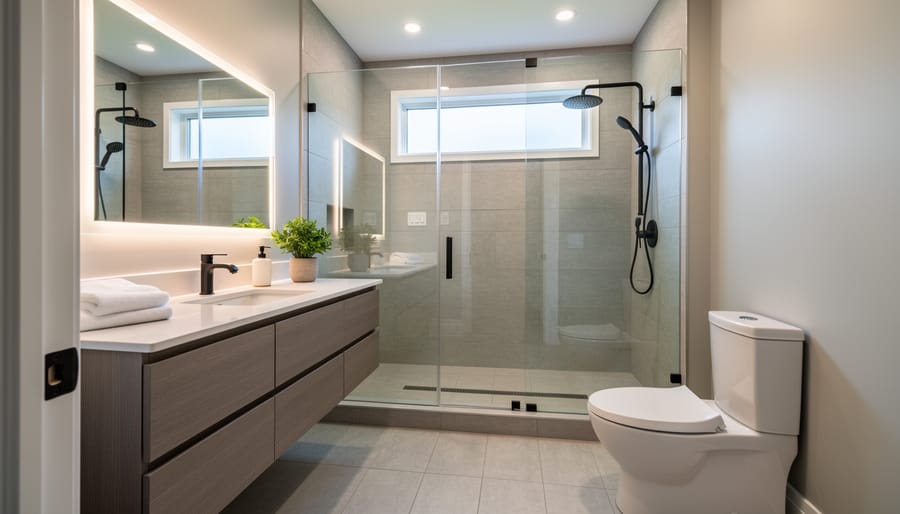
A bathroom renovation represents a significant investment in both comfort and property value, but success hinges on approaching the project with realistic expectations and proper preparation. Homeowners who understand the complexity of this undertaking, from permit requirements to material selection and trade coordination, position themselves for smoother execution and results that truly enhance daily living.
The value of partnering with qualified professionals extends well beyond technical expertise. Experienced renovation specialists bring project management capabilities that coordinate multiple trades, anticipate potential obstacles before they become costly delays, and ensure compliance with building codes that protect long-term safety and functionality. They also navigate unexpected discoveries, from hidden water damage to structural modifications, with solutions grounded in building science rather than guesswork.
Clear communication throughout every phase prevents misunderstandings that can derail timelines and budgets. Establishing expectations about material lead times, discussing design choices before installation begins, and maintaining open dialogue about budget considerations creates a collaborative environment where adjustments happen proactively rather than reactively.
For Kitchener homeowners considering a bathroom renovation, Canadian Roofs & Co. brings the same dedication to quality craftsmanship and customer-focused service that has built lasting relationships throughout the community. The company’s expertise extends to managing insurance claims related to water damage or other covered events that may necessitate bathroom reconstruction, providing homeowners with knowledgeable advocates during challenging situations.
Before breaking ground on any renovation, consultation with experienced professionals ensures the project scope aligns with both vision and reality. This foundational step sets the trajectory for a renovation journey that transforms one of the home’s most essential spaces into a functional, beautiful environment designed to serve for years ahead.