
Philanthropy Initiatives: How Construction Companies Give Back, Eligibility, and Ways to Participate
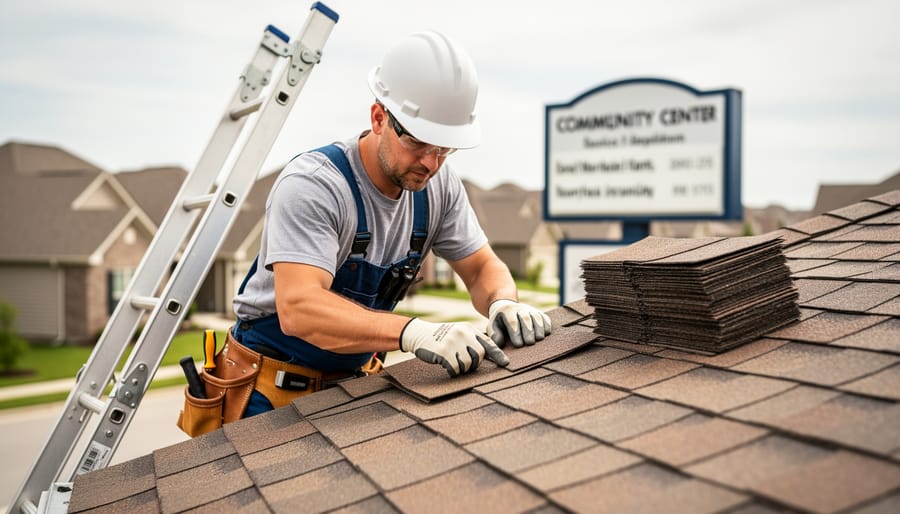
Philanthropy initiatives in the construction industry connect companies willing to donate or discount materials and labor with homeowners, nonprofits, and community organizations in need of building, renovation, or repair services. These programs range from roofers offering free re-shingling for veterans or seniors on fixed incomes to general contractors providing pro-bono work for community centers, shelters, and low-income families recovering from disasters or financial hardship. For recipients, the benefit is clear: access to essential home improvements that would otherwise remain unaffordable. For construction firms, participation strengthens community ties, builds brand reputation, and provides meaningful work that aligns with corporate social responsibility goals.
Qualification criteria typically focus on financial need, property condition, and the applicant’s connection to a vulnerable group such as elderly residents, military veterans, or families referred by social service agencies. Application processes vary by company and program, but most require documentation of income, proof of home ownership or occupancy, and a written explanation of the need. Some initiatives operate on a first-come, first-served basis, while others use a selection committee to prioritize the most urgent cases.
Understanding eligibility requirements, navigating the application process, and knowing where to seek help are crucial steps for homeowners hoping to benefit from these programs. Recipients also assume certain obligations, such as maintaining the completed work and allowing the company to share before-and-after images for promotional purposes. The following sections outline what these programs entail, who qualifies, how to apply, and where to turn for guidance when navigating charitable construction services in Canada.
What Are Philanthropy Initiatives in Construction and Home Improvement
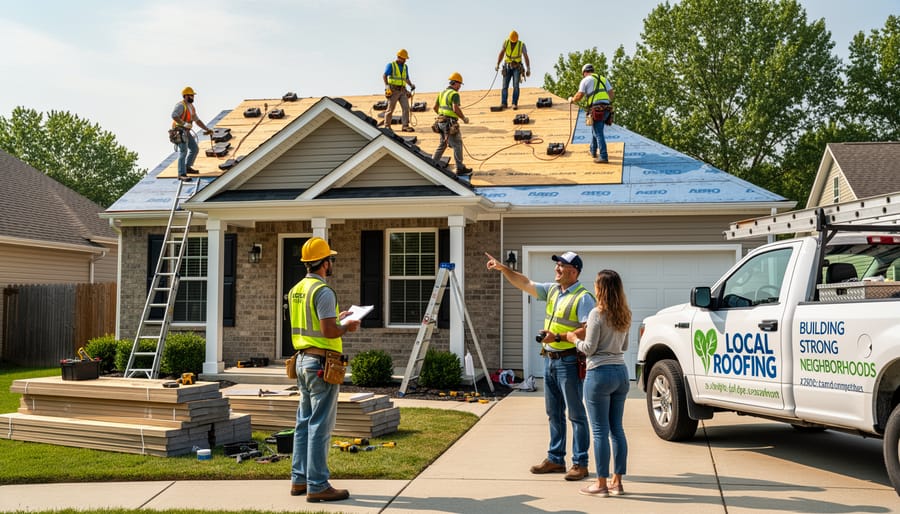
Philanthropy initiatives in construction and home improvement are structured programs where contractors, roofing companies, material suppliers, and trade professionals provide services, labour, or products at reduced cost or no charge to individuals and communities in need. Unlike general corporate social responsibility efforts that might involve monetary donations or sponsorships, construction philanthropy creates direct, physical impact through the core skills and resources of the industry itself. A roofing company repairing a veteran’s leaking roof, a renovation team making accessibility modifications for a senior on a fixed income, or contractors rebuilding homes after a natural disaster represent the tangible difference these initiatives make.
These programs take several distinct forms. Charitable discounts offer services at cost or below-market rates for qualifying homeowners who cannot afford critical repairs. Community projects mobilize crews to renovate schools, shelters, or community centres serving vulnerable populations. Materials donations redirect surplus inventory, shingles, siding, fixtures, to nonprofit housing organizations rather than landfills. Skills-based volunteering sees experienced tradespeople teaching construction skills to youth programs or helping nonprofits develop realistic project plans.
Partnerships with established nonprofits like Habitat for Humanity amplify reach by connecting contractor expertise with organizations that identify recipients and coordinate logistics. Disaster relief response becomes particularly vital in Canada’s climate, where ice storms, floods, and wildfires create urgent housing emergencies requiring swift professional intervention, sometimes supported through federal cost sharing for disasters when damage exceeds local capacity.
The construction industry stands uniquely positioned for community impact because housing quality directly affects health, safety, and economic stability. A repaired roof prevents mold growth and structural damage. Accessible bathroom modifications enable aging in place. These are not abstract contributions but essential interventions that immediately improve lives, delivered by professionals whose everyday skills translate into measurable community benefit.
Who Qualifies for Philanthropic Construction Services
Income-Based Assistance Programs
Income-based assistance programs connect low-income homeowners with construction companies and nonprofits offering reduced-rate or free repairs for critical home safety issues. These initiatives typically focus on structural problems, roof leaks, unsafe electrical systems, heating failures, and accessibility modifications rather than cosmetic upgrades.
Eligibility centers on demonstrating financial need through income verification. Most programs set thresholds at 50-80% of the area median income, requiring applicants to submit recent tax returns, pay stubs, or government benefit statements. Some organizations with CRA charitable status can issue tax receipts for donated services, creating additional incentive for participating contractors.
Priority repairs usually include urgent roof replacements where leaks threaten structural integrity, programs often cover standard asphalt shingles rather than premium materials, though understanding typical shingles cost helps applicants budget for any required co-payments. Essential heating system repairs, emergency electrical work, and wheelchair ramps consistently qualify. Non-essential projects like kitchen remodels or landscaping rarely receive approval.
Application timelines vary widely. Emergency repairs may receive expedited review within days, while non-urgent work often faces 3-6 month waitlists depending on program capacity and seasonal demand.
Special Community Groups and Veterans
Veterans, seniors, and persons with disabilities represent priority groups for many construction philanthropy programs, often receiving dedicated funding streams and specialized eligibility pathways that go beyond standard income requirements.
Veterans Programs: Many contractors partner with organizations like Veterans Affairs Canada and Homes for Heroes to provide roof repairs, accessibility modifications, and emergency fixes for former military members. These programs typically verify service through discharge papers or VAC enrollment rather than strict income tests, recognizing that service-connected disabilities or transition challenges affect financial stability regardless of current earnings.
Senior Homeowner Initiatives: Age-in-place programs help Canadians 65 and older maintain safe homes through fall-prevention upgrades, improved ventilation, and critical structural repairs. Provincial senior services offices often coordinate with local contractors to identify at-risk homeowners whose fixed incomes can’t cover necessary work.
Disability Accommodations: Accessibility-focused programs install ramps, widen doorways, reinforce structures for medical equipment, and adapt roofing for wheelchair-accessible maintenance. Partnerships with provincial disability support programs streamline eligibility, proof of disability benefits often substitutes for separate financial verification.
These targeted initiatives frequently combine contractor donations with government grants or nonprofit funding, creating comprehensive packages that fully cover project costs rather than partial discounts.
How to Apply for Philanthropic Construction Support
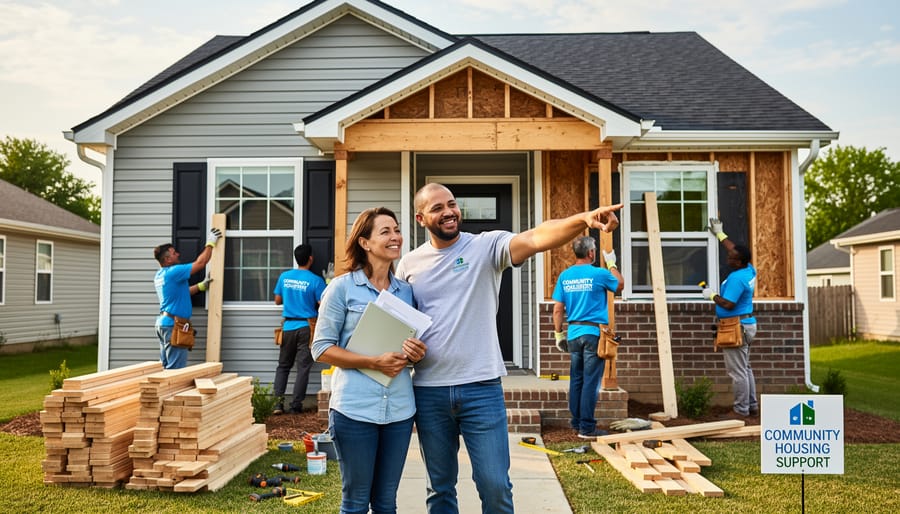
Finding Participating Companies and Programs
Start your search by checking with local trade associations and home builder councils, which often maintain directories of member companies committed to charitable work. Most provinces have roofing or construction associations that can point you toward contractors with established community programs. Contact municipal housing departments and community service agencies, as they frequently partner with construction companies on affordable housing projects and can recommend reliable participants.
Online research requires careful verification. Look for companies with dedicated sections on their websites explaining their philanthropic approach, eligibility criteria, and past projects. Legitimate programs will clearly outline what services they offer, whether it’s discounted repairs, complete project donations, or materials assistance. Check for third-party validation through Better Business Bureau ratings, Google reviews that mention charitable work, and media coverage of community projects.
Ask potential companies specific questions: How long have you operated your philanthropic program? How many families or organizations have you helped in the past year? What percentage of your business involves charitable work? Request references from past recipients if possible. Verify their licensing, insurance, and professional certifications independently through provincial regulatory bodies.
Community centers, places of worship, and nonprofit organizations working in housing advocacy often know which contractors consistently deliver quality charitable work. Personal recommendations from these trusted community sources can be more reliable than online searches alone.
Navigating the Application and Approval Process
Once you’ve identified a participating company, the application process typically begins with an initial inquiry call or online form. Expect to provide basic household information, describe the needed repairs, and outline your financial circumstances. Most programs request recent tax returns, proof of income (pay stubs or pension statements), utility bills, and property ownership documents. If your situation involves storm damage or other insured events, companies experienced in charitable work can often coordinate insurance claim help alongside philanthropic support to maximize available resources.
After submission, a program coordinator reviews applications to verify eligibility, this initial screening usually takes one to three weeks. Qualified applicants then receive a property assessment visit where a contractor evaluates the scope of work, safety concerns, and material needs. This on-site inspection determines whether the project fits within the program’s capacity and budget.
Selection timelines vary considerably. Urgent safety issues like structural roof damage or accessibility barriers for disabled homeowners often receive priority. When demand exceeds available slots, programs typically rank applicants by need severity, household vulnerability (seniors, families with children, health conditions), and available funding. Many companies maintain waiting lists and contact applicants as resources become available, so patience matters even after approval.
Your Rights and Obligations as a Program Participant
Participating in a philanthropic construction program means entering a formal arrangement with defined expectations on both sides. While you’re receiving services at reduced cost or no charge, you retain fundamental consumer protections and can expect professional work that meets building codes and industry standards. At the same time, you accept specific responsibilities that help the program operate fairly and sustainably.
Most programs require recipients to maintain the completed work properly, which directly affects roof lifespan and the long-term value of the charitable investment. You’ll typically need to provide accurate financial documentation during the application phase, cooperate with site assessments and scheduling, and keep the property accessible during construction. Some initiatives ask participants to share their story publicly or allow before-and-after photos for fundraising purposes, though you can usually decline without losing eligibility.
| Your Rights | Your Obligations |
|---|---|
| Work completed to code and professional standards | Provide honest financial disclosure during application |
| Clear timeline and scope before work begins | Cooperate with scheduling and site access |
| Warranty coverage on materials and workmanship | Maintain completed work according to guidelines |
| Safe work practices and proper insurance coverage | Report any problems promptly to program coordinator |
| Respectful treatment and communication throughout | Participate in follow-up reporting if required |
Provincial consumer protection laws in Canada still apply to philanthropic construction work. If serious defects emerge or the contractor abandons the project, you have recourse through the same channels available to paying customers, including licensing boards and consumer affairs offices. Document everything from the start: keep copies of your application, approval letter, scope of work, and any communications about changes or concerns.
If issues arise, contact the program coordinator first rather than confronting workers directly. Most problems stem from miscommunication about scope or timelines, not malicious intent. Legitimate programs have dispute resolution processes and want to protect their reputation. Should you face unresponsive leadership or genuinely substandard work, reach out to the nonprofit partner organization or trade association overseeing the initiative before escalating to regulatory authorities.
How Construction Companies Structure Their Giving
Construction companies typically approach philanthropy initiatives as a strategic component of their annual operations rather than ad-hoc charity work. Most establish a dedicated budget, commonly 1-3% of gross revenue, specifically for community giving, which allows them to plan charitable projects alongside commercial work without compromising business sustainability. This allocation covers discounted or donated labor, though material costs often represent a separate consideration addressed through supplier partnerships.
The tax treatment of charitable construction work follows Canada Revenue Agency guidelines for in-kind donations. Companies can claim eligible business expenses related to philanthropic projects, and when partnering with registered charities, they may receive donation receipts for materials and fair market value of professional services. However, donated labor hours themselves don’t typically generate tax receipts for the company, making efficient project planning crucial to maximize community impact while maintaining financial viability.
Material supplier partnerships form the backbone of most successful philanthropy programs. Manufacturers and distributors often provide discounted or donated shingles, lumber, insulation, and other materials to contractors engaged in verified charitable work, recognizing the brand visibility and community goodwill these projects generate. Companies like Canadian Roofs & Co. cultivate relationships with suppliers who share their commitment to community support, creating networks that can mobilize quickly for disaster response or urgent repair needs.
Staff participation varies by company culture, with leading firms incorporating volunteer days into employment packages and encouraging skilled tradespeople to contribute expertise alongside business owners. This approach builds team cohesion, provides valuable training opportunities for apprentices, and reinforces the company’s reputation as a community-focused employer, factors that improve recruitment and retention in competitive labor markets while delivering meaningful social impact.
Where to Get Help and Additional Resources
Finding the right support starts with knowing where to look. Whether you need assistance yourself or want to refer someone in your community, several channels can connect you with construction philanthropy programs across Canada.
Start locally by contacting construction companies directly, many firms actively participate in giving initiatives but don’t advertise them widely. When you reach out, have basic information ready: your location, the type of repair needed, household income range, and any special circumstances like veteran status or disability accommodations. Companies like Canadian Roofs & Co. can guide you through their community support options and help you understand if you might combine with claims when insurance coverage applies alongside charitable assistance.
National and provincial resources can help match you with appropriate programs:
- Habitat for Humanity Canada coordinates skilled volunteer construction work and operates in most provinces, focusing on affordable housing projects
- Canada Mortgage and Housing Corporation (CMHC) offers information on government housing repair programs and connects applicants with financial assistance options
- Provincial home repair programs vary by region but typically provide grants or low-interest loans for eligible homeowners, check your provincial housing authority website
- Veterans Affairs Canada administers specific home modification programs for qualifying veterans needing accessibility improvements
- Insurance Bureau of Canada can direct you to consumer advocates when you need help navigating claims that might offset charitable construction costs
- Canadian Home Builders’ Association chapters often know which local members participate in community giving and can facilitate introductions
Community organizations and social service agencies frequently partner with construction companies on philanthropic projects. Contact your municipal housing department, local United Way chapter, or faith-based community services to ask about construction assistance referrals. These organizations often pre-screen applicants and coordinate directly with participating contractors, streamlining the process.
Keep documentation organized before reaching out: proof of home ownership or lease, recent tax returns or income statements, quotes for needed repairs, and any supporting letters from social workers, healthcare providers, or veteran service officers. Having this ready accelerates the review process and demonstrates your serious need.
Frequently Asked Questions About Construction Philanthropy Programs
Do I have to repay discounted or donated construction services?
Most philanthropy programs provide services as outright donations with no repayment required. However, some initiatives structure assistance as forgivable loans that are forgiven after you meet certain conditions, such as remaining in the home for a specified period.
How long does the approval process typically take?
Timelines vary by program and demand, but expect anywhere from two weeks to three months from application to approval. Emergency repair programs expedite this process, sometimes providing assistance within days for urgent situations like storm damage or safety hazards.
Can I combine insurance claims with philanthropic construction assistance?
Yes, many programs work alongside insurance coverage. The charitable component typically covers your deductible, portions not covered by insurance, or upgrades beyond basic repairs. Disclose your insurance situation upfront so the program can coordinate appropriately.
What happens if I don’t qualify for a program?
If you’re denied by one program, ask for referrals to others with different eligibility criteria. Many organizations maintain networks and can direct you to government assistance programs, payment plans, or financing options that better match your circumstances.
Beyond these common questions, homeowners often wonder how they can nominate neighbours or family members who need help. Most programs accept third-party nominations, simply contact the organization with details about the person’s situation and why they would benefit from assistance. The program will then reach out directly to assess eligibility and needs.
If you want to support these initiatives rather than receive services, construction companies and nonprofit partners welcome donations in multiple forms. Financial contributions help offset material costs and contractor time. Material suppliers can donate excess inventory, discontinued products, or bulk purchases at cost. Homeowners completing their own renovations sometimes donate leftover materials like shingles, lumber, or fixtures that are still in good condition. Even spreading awareness about available programs helps connect those in need with resources they might not know exist.
Construction philanthropy initiatives create stronger, safer communities across Canada while demonstrating that quality home improvement can be accessible to those who need it most. These programs provide critical repairs to vulnerable homeowners, support disaster recovery, and ensure that financial hardship doesn’t force families to live with compromised roofs or unsafe structures.
For participating companies, community giving strengthens customer relationships, builds skilled teams through volunteer projects, and reinforces a reputation for integrity that extends far beyond individual jobs. Recipients gain not just improved homes, but peace of mind and connections to resources they might not have known existed.
Whether you’re a homeowner facing urgent repairs, someone who wants to nominate a neighbor in need, or a business owner interested in supporting local giving programs, exploring these initiatives is worthwhile. Many Canadians qualify for assistance without realizing programs exist in their community.
Canadian Roofs & Co. remains committed to serving all Canadians through professional roofing and renovation services, community involvement, and support for those navigating insurance claims or financial challenges. Quality construction and compassionate service aren’t mutually exclusive, they’re the foundation of resilient communities where everyone deserves a safe, secure home.