
Building Z Doesn’t Exist—But These Advanced Materials Are Reshaping Canadian Roofing in 2026
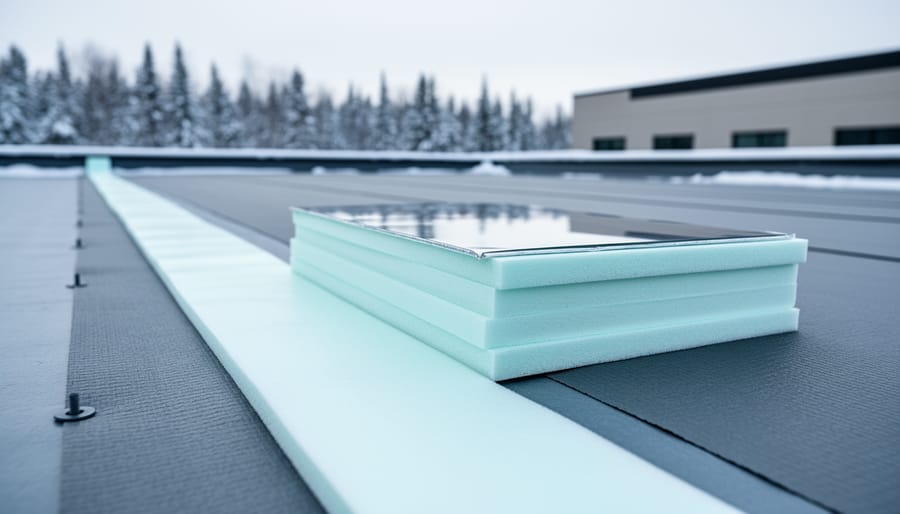
If you’ve been searching for information about “Building Z” as an advanced construction material, you need to know this: it doesn’t exist. There is no commercially available building product by this name in Canada or elsewhere in 2026. What you’ve likely encountered is marketing misinformation, confused terminology, or speculative content about fictional materials.
This matters because Canadian homeowners and business owners deserve accurate information when making renovation and construction decisions. The confusion around non-existent products wastes time and can lead to poor choices when real, proven advanced materials are readily available.
Several legitimate innovations are currently transforming how buildings perform in Canada’s climate. Aerogel-enhanced insulation panels deliver exceptional thermal resistance in tight spaces. Cross-laminated timber provides structural strength with environmental benefits. Phase-change materials stabilize indoor temperatures by absorbing and releasing heat. Vacuum insulation panels achieve superior R-values where traditional materials fall short.
The building materials industry does occasionally introduce products with proprietary names, but any legitimate material will have verifiable manufacturer information, CSA or similar certification standards, installation guidelines from recognized industry bodies, and documented performance data from independent testing facilities.
When evaluating construction materials for your property, focus on verified specifications rather than marketing claims. Canadian building codes and energy efficiency programs like ENERGY STAR provide reliable benchmarks. Local contractors and building science professionals can recommend proven materials suited to your specific needs and regional climate conditions.
Understanding what’s real and what isn’t protects your investment and ensures your project delivers the performance you expect.
Why the Confusion Around ‘Building Z’?
The construction industry faces a persistent challenge with viral misinformation about breakthrough materials that sound revolutionary but don’t actually exist. In the case of “Building Z,” the term appears to have emerged from a combination of marketing speculation, misinterpreted trade show announcements, and the echo chamber effect of online forums where unverified claims get repeated until they seem credible. This pattern isn’t new. Every few years, a fabricated product name circulates among homeowners and even some contractors, complete with impressive-sounding specifications that crumble under scrutiny.
The spread happens predictably. Someone mentions a concept at an industry event, a blog misinterprets it as an existing product, social media amplifies the confusion, and suddenly property owners are asking contractors about something that was never real to begin with. The problem intensifies when these fictional materials are described with precise technical specifications, installation methods, and cost projections that give them a veneer of legitimacy.
For Canadian homeowners and business owners, the stakes go beyond wasted research time. Chasing nonexistent materials can delay legitimate renovation projects, create unrealistic expectations about what’s achievable, and potentially lead to poor decisions when comparing real options. The antidote is straightforward: verify every claim. Check if the material has a manufacturer with a physical address and contact information. Look for certification from recognized bodies like the Canadian Construction Materials Centre. Ask if established companies in your area have actually installed it.
When evaluating any new building material, consulting with experienced professionals who have a track record in your community provides an essential reality check. Companies like Canadian Roofs & Co., which have handled countless projects and insurance claims across Canadian climate zones, can quickly identify whether a material is genuine, suitable for your property, and worth the investment versus established alternatives.
Real Advanced Building Materials Transforming Canadian Construction in 2026
High-Performance Insulation Technologies
Canadian property owners exploring advanced insulation can choose from three technologies with proven performance data. Each offers measurable improvements over standard fibreglass batts, though real-world results depend on proper installation and climate zone.
Aerogel insulation delivers R-values around 10 per inch, roughly double that of conventional options. Originally developed for aerospace applications, this silica-based material works well in tight spaces where maximizing thermal resistance matters most. The trade-off is cost: aerogel typically runs three to five times the price of standard insulation, making it best suited for targeted applications like foundation perimeters or difficult retrofits rather than whole-building use.
Vacuum-insulated panels achieve R-values between 25 and 40 per inch by maintaining a near-vacuum between rigid barrier layers. They’re effective for applications like flat roofs or wall assemblies with limited depth. The main consideration is durability, puncturing the panel compromises its performance permanently, so protecting them during and after installation is critical. Expect these panels to cost significantly more than aerogel on a per-square-foot basis.
Graphite-enhanced expanded polystyrene represents the more accessible option. By adding graphite particles to standard EPS foam, manufacturers boost R-value by roughly 20 percent (typically reaching R-4.5 to R-5 per inch). It costs only marginally more than conventional EPS while handling moisture better than fibreglass. For Canadian climates with freeze-thaw cycles, this durability advantage often justifies the modest price premium.
None of these materials qualify as miracle solutions, but all three offer verifiable performance improvements when matched correctly to your building’s needs and budget.
Advanced Roofing Membranes and Coatings
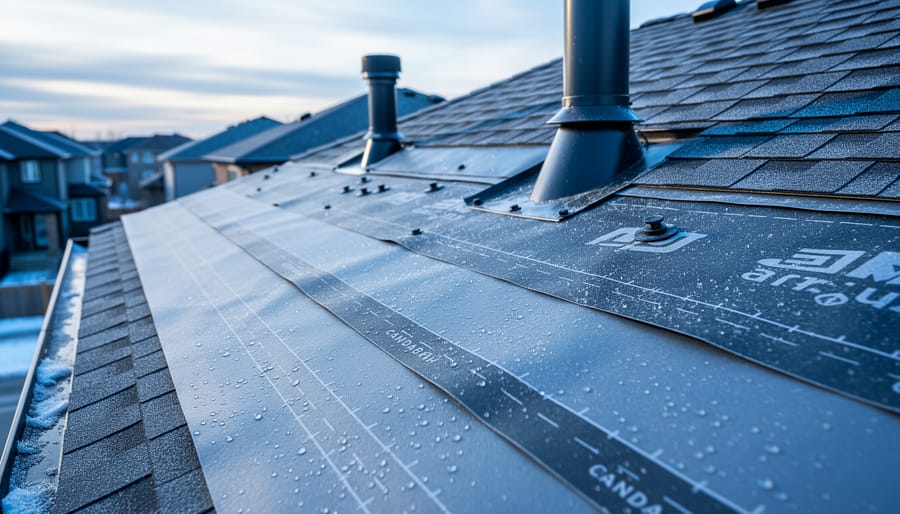
TPO (thermoplastic polyolefane) and PVC (polyvinyl chloride) membranes represent two of the most reliable single-ply roofing systems for Canadian commercial buildings. Both deliver strong resistance to UV radiation, punctures, and chemical exposure while remaining flexible in cold temperatures, a critical factor when winter lows reach -30°C across much of the country. TPO membranes typically come in white or light gray, offering inherent solar reflectance that reduces cooling loads during summer months. PVC membranes provide similar reflective properties with the added benefit of superior resistance to grease and oils, making them particularly well-suited for restaurant or industrial applications.
Cool roof coatings extend these benefits to existing roofing systems. Elastomeric coatings formulated with ceramic or titanium dioxide particles reflect 70 to 85 percent of solar radiation, lowering surface temperatures by 20 to 30 degrees Celsius compared to traditional dark roofs. This reflective performance translates into measurable energy savings during Canadian summers while the coating’s waterproofing layer extends the underlying roof’s service life by sealing minor cracks and preventing water infiltration during freeze-thaw cycles.
Self-healing roofing materials incorporate polymers that automatically seal small punctures and hairline cracks when exposed to heat or moisture. While still emerging in the Canadian market, these systems show promise for reducing maintenance costs and preventing minor damage from escalating into major leaks, particularly valuable given the stress that rapid temperature swings and ice dam formation place on roof membranes across Ontario, Quebec, and the Prairies.
Smart Building Materials with Integrated Technology
Smart building materials integrate sensors and responsive technologies directly into their structure, moving beyond passive protection to active monitoring and energy generation. Moisture-detecting membranes now embed sensing networks that alert property owners to leaks before visible damage occurs, allowing early intervention that prevents costly repairs. These systems connect to smartphone apps or building management platforms, providing real-time data about roof conditions across multiple zones.
Photovoltaic roofing materials represent one of the most practical smart material applications for Canadian properties. Unlike traditional solar panel add-ons, integrated solar shingles and tiles function as both weather protection and energy generation. Current products generate 13 to 20 watts per square foot under optimal conditions, with realistic annual outputs varying significantly by region, southern Ontario properties typically see better returns than those in northern climates with shorter daylight periods during winter months.
Phase-change materials store and release thermal energy as they shift between solid and liquid states, helping regulate indoor temperatures without consuming electricity. Incorporated into roofing assemblies or wall systems, these materials absorb excess heat during warm periods and release it when temperatures drop. The technology works particularly well in combination with effective home ventilation systems that distribute conditioned air throughout the building envelope.
Commercial properties benefit most from integrated smart materials due to their larger surface areas and energy management requirements, but residential applications continue to expand as costs decline and monitoring systems become more user-friendly.
How to Evaluate Advanced Materials for Your Canadian Property
When considering advanced materials for your Canadian property, start by checking certification from the Canadian Construction Materials Centre (CCMC), which evaluates products for compliance with National Building Code requirements. CCMC listings provide independent verification that a material meets performance standards for Canadian climates, offering protection against unproven products making exaggerated claims.
Request third-party test data rather than relying solely on manufacturer specifications. Look for independent laboratory results showing thermal performance, moisture resistance, and durability under conditions matching your local climate zone. Materials tested in milder environments may not perform identically in Canadian winters, so climate-specific data matters. Ask suppliers for case studies from comparable Canadian installations, particularly projects exposed to similar temperature ranges and precipitation patterns.
Evaluate whether the material addresses your property’s specific needs. A high-performance membrane might extend roof life substantially in coastal BC’s wet conditions but offer less benefit in drier prairie climates. Consider your building’s existing systems, some advanced materials require specialized installation techniques or compatible substrates that could increase project complexity.
Calculate total lifecycle costs, not just upfront prices. Advanced materials often carry premium pricing but may deliver savings through reduced energy bills, lower maintenance requirements, or extended replacement intervals. Factor in installation costs, which can be higher if contractors need specialized training. Compare these figures against conventional alternatives over realistic timeframes, typically 15 to 25 years for roofing materials.
Check warranty terms carefully. Some manufacturers void coverage if installation deviates from exact specifications or if incompatible products are used alongside their materials. Verify that local contractors have appropriate training and experience with the specific product. Working with established professionals familiar with both traditional and emerging materials helps you avoid costly mistakes while ensuring new products integrate properly with your property’s existing systems.
The Advanced Building Materials Industry in 2026
The global advanced materials industry is accelerating rapidly, with specialized B2B events connecting manufacturers, suppliers, and construction professionals worldwide. The Advanced Building Materials Expo 2026, taking place April 13-15 at the Bangalore International Exhibition Centre in Bengaluru, demonstrates this momentum. Presented by b2btradefairs, this focused exhibition brings together manufacturers, suppliers, developers, architects, builders, contractors, and consultants to showcase emerging technologies and forge distribution partnerships.
| Event Detail | Information |
|---|---|
| Dates | April 13-15, 2026 |
| Location | Bangalore International Exhibition Centre, Bengaluru |
| Attendee Types | Manufacturers, suppliers, developers, architects, builders, contractors, consultants |
| Organizer | b2btradefairs |
While events like these occur far from Canada, they directly impact what materials eventually become available to Canadian property owners. Manufacturers showcase innovations at international exhibitions, establish relationships with North American distributors, and navigate certification processes for new markets. Technologies demonstrated in Bengaluru or similar venues typically reach Canadian suppliers within 18-24 months, after meeting local building codes and climate testing requirements. This pipeline means the roofing membranes, insulation systems, and smart materials discussed at 2026’s spring exhibitions will likely influence Canadian roof lifespan and performance by 2027-2028, once distribution networks and installer training programs are established.
Working with Professionals When Adopting New Materials
Adopting advanced materials for your Canadian property requires more than enthusiasm for innovation, it demands professional expertise to ensure you’re making sound investments that perform as promised. Working with established local contractors who understand both the materials and your regional climate conditions protects you from costly mistakes.
Start with companies that have deep roots in your community and a track record of navigating complex projects. Experienced contractors can assess whether a new material suits your specific property needs, factoring in your building’s age, existing systems, and local weather patterns. They’ll also identify potential compatibility issues, for example, how a new roofing membrane might integrate with existing chimney flashing or ventilation systems.
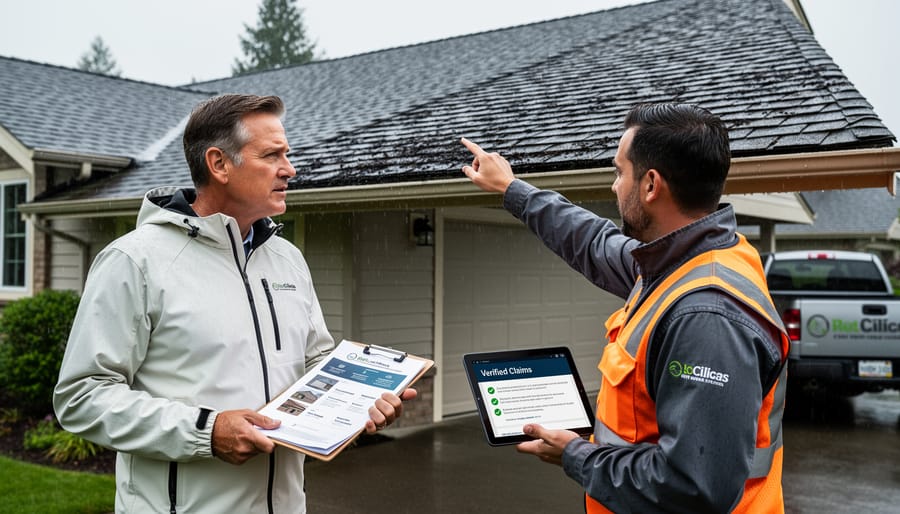
Insurance considerations become particularly important with newer materials. Professional contractors understand how to document installations properly for insurance purposes and can guide you through claims processes if issues arise. They know which materials insurers recognize and which might complicate coverage, saving you from surprises down the road.
Warranty protection depends heavily on proper installation. Manufacturers often void warranties if materials aren’t installed by qualified professionals following exact specifications. Established contractors maintain certifications for advanced products and understand installation nuances that determine whether a material performs for three years or thirty.
Climate zone expertise matters enormously in Canada. A contractor familiar with your region’s freeze-thaw cycles, humidity patterns, and temperature extremes can recommend materials proven to withstand those specific conditions. They’ll steer you away from products that test well in controlled environments but fail in real Canadian weather.
Don’t experiment with your property’s integrity. Partner with professionals who prioritize verified performance over marketing claims and have the community reputation to prove it.
While Building Z may not exist, the revolution in advanced building materials is very real and available to Canadian property owners right now. The innovations we’ve discussed, from aerogel insulation to smart roofing membranes, represent verified, tested technologies that are already transforming how we build and renovate in Canada’s demanding climate.
The key is approaching these materials with the right mindset: seek out products with third-party certifications from organizations like the Canadian Construction Materials Centre, ask for documented performance data, and remain skeptical of claims that sound too good to be true. The construction industry does see genuine breakthroughs, but they come with proper testing, real-world validation, and transparent specifications.
If you’re considering advanced materials for your home or business, don’t navigate this landscape alone. Canadian Roofs & Co. brings community expertise and industry knowledge to help you evaluate which innovations make sense for your specific property, climate zone, and budget. We can guide you through performance standards, coordinate with insurance providers, and ensure proper installation that honors manufacturer warranties. Contact us to discuss how legitimate advanced materials can improve your property’s performance and longevity.